


Window Sash Repair
Add a review FollowOverview
-
Founded Date July 15, 1981
-
Sectors Education Training
-
Posted Jobs 0
-
Viewed 32

Company Description
Five Killer Quora Answers To Window Crack Repair
Window Crack Repair: A Comprehensive Guide
Windows are more than just openings in a structure; they are necessary for natural light, ventilation, and energy efficiency. Nevertheless, they are also susceptible to damage, particularly from cracks. While minor cracks might appear safe, they can rapidly escalate into major concerns if left unaddressed. This detailed guide checks out the steps and factors to consider involved in fixing Window Crack Repair fractures, providing homeowners with the understanding to preserve the stability of their windows.
Understanding Window Cracks
Window fractures can happen due to various reasons, including:
- Temperature Fluctuations: Extreme changes in temperature can trigger glass to broaden and contract, resulting in tension fractures.
- Impact Damage: Accidents, such as a ball hitting the window or hailstorms, can cause cracks.
- Age and Wear: Over time, the materials in windows can break down, making them more susceptible to splitting.
- Poor Installation: Improperly set up windows can establish fractures due to uneven pressure or poor sealing.
Recognizing the Type of Crack
Before attempting any repair, it’s important to identify the kind of crack:
- Hairline Cracks: These are fine, typically barely visible cracks that do not typically encompass the edges of the window.
- Tension Cracks: These are generally larger and can range from one edge of the window to another.
- Bull’s Eye Cracks: These are circular cracks that occur from a direct impact.
- Star Cracks: These are several cracks radiating from a single point of impact.
Tools and Materials Needed
- Epoxy Resin: For minor fractures, epoxy resin can be used to fill the spaces.
- Clear Silicone Sealant: This can be utilized to seal the edges and avoid water infiltration.
- Screwdriver and Pliers: Useful for removing old glazing and hardware.
- Scraping Tool: For eliminating old putty or caulk.
- Masking Tape: To secure the surrounding area from adhesive.
- Safety Gear: Gloves, security goggles, and a dust mask are vital.
Step-by-Step Guide to Repairing Minor Cracks
-
Clean the Area:
- Use a moderate cleaning agent and water to clean up the window and the surrounding area.
- Dry the surface completely with a tidy cloth or towel.
-
Apply Masking Tape:
- Place masking tape on both sides of the crack to avoid the epoxy from spreading.
-
Prepare the Epoxy Resin:
- Follow the producer’s directions to blend the epoxy resin.
- Guarantee the resin is smooth and without swellings.
-
Inject the Epoxy:
- Use a syringe or a similar tool to inject the epoxy into the fracture.
- Work from one end to the other, guaranteeing the crack is entirely filled.
-
Smooth the Surface:
- Use a plastic scraper or a putty knife to smooth the epoxy over the crack.
- Remove excess epoxy to attain a flush surface.
-
Permit to Cure:
- Let the epoxy cure according to the maker’s guidelines, usually 24-48 hours.
- Avoid touching or using pressure to the area throughout this time.
-
Remove the Tape:
- Carefully peel the masking tape to reveal the fixed location.
-
Apply Clear Silicone Sealant:
- Apply a thin layer of clear silicone sealant around the edges of the window to make sure a water tight seal.
Expert Repair for Major Cracks
For significant fractures, such as those that compromise the structural stability of the 24/7 window repair, it is a good idea to look for expert assistance. Here are the actions an expert might follow:
-
Assess the Damage:
- A professional will assess the level of the damage and determine if the window screen replacement can be repaired or needs to be replaced.
-
Remove the Damaged Glass:
- Using customized tools, the professional will thoroughly eliminate the broken window repair glass to prevent more damage to the frame.
-
Prepare the Frame:
- The frame will be cleaned up and any old putty or caulk will be eliminated.
-
Install New Glass:
- A new piece of glass will be cut to fit the skylight window repair frame and set up utilizing glazing compound or brand-new putty.
-
Seal and Finish:
- The expert will apply a brand-new seal around the edges and finish the repair to guarantee it is both practical and aesthetically pleasing.
Preventing Future Cracks
Avoidance is crucial to preserving the integrity of your windows. Here are some pointers:
- Regular Maintenance: Check your windows annually for signs of wear or damage.
- Correct Installation: Ensure that new windows are set up properly to avoid uneven pressure.
- Use Tempered Glass: Tempered glass is stronger and more resistant to cracks than regular glass.
- Secure from Elements: Use window coverings or awnings to shield windows from direct sunshine and extreme weather condition conditions.
FAQs
Q: Can I repair a split window myself?A: Minor hairline fractures can often be fixed with epoxy resin and clear silicone sealant. Nevertheless, major fractures or those that jeopardize the window’s structure must be attended to by a professional to ensure security and efficiency.
Q: How long does epoxy require to cure?A: The treating time for epoxy resin can differ depending upon the item. Generally, it takes 24-48 hours to completely treat. Always follow the producer’s instructions for the best outcomes.
Q: What if the fracture is too large to repair with epoxy?A: If the crack is too big or if it runs from one edge of the window to another, the window needs to be replaced. Trying to repair such a fracture with epoxy might not work and could pose safety risks.
Q: How frequently should I examine my windows for cracks?A: It is suggested to check your windows a minimum of as soon as a year, particularly before the onset of severe weather condition conditions like winter season or summer. Regular examinations can assist capture problems early and avoid them from ending up being more serious.
Q: Can I prevent cracks from forming in the very first place?A: While it’s difficult to prevent all cracks, regular maintenance, correct setup, and using more powerful products like tempered glass can substantially lower the possibility of fractures forming.
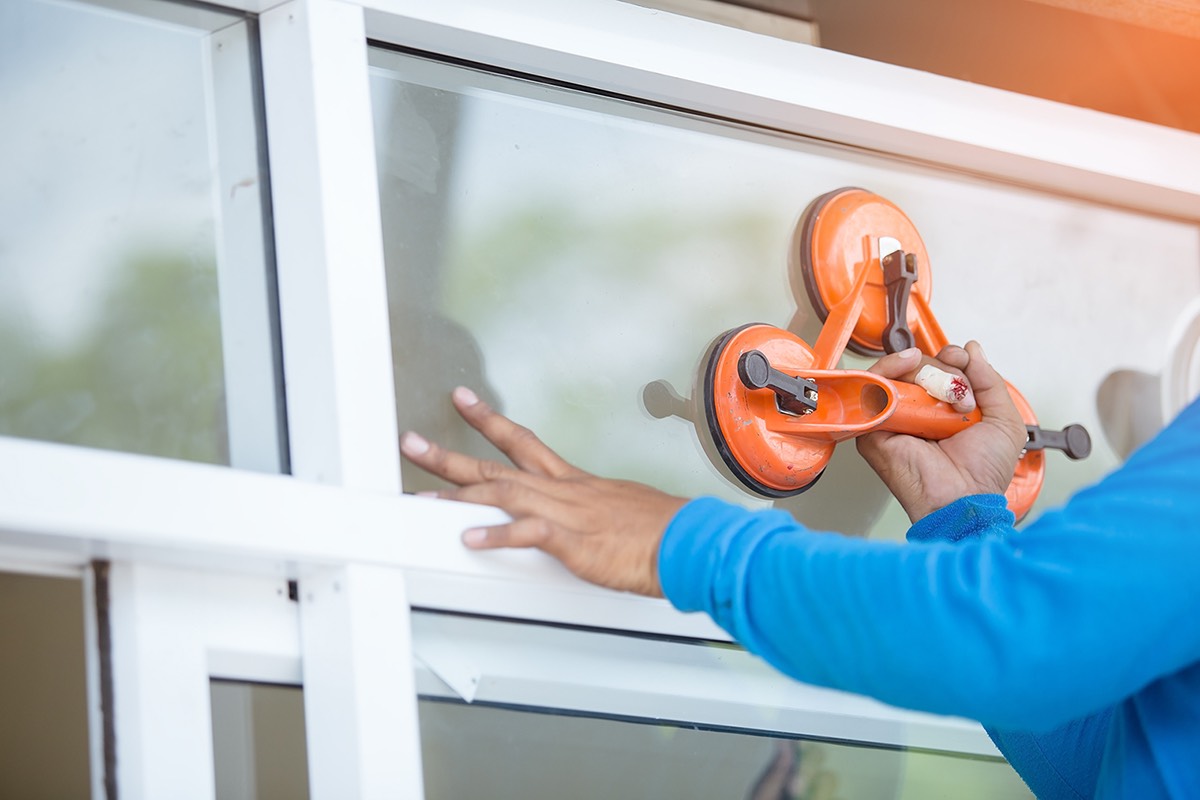
Window fractures can be a problem, however with the right knowledge and tools, they can be efficiently managed. For small cracks, a DIY approach using epoxy resin and clear silicone sealant can be both cost-efficient and simple. However, for significant cracks, it is constantly best to consult an expert to ensure a safe and appropriate repair. By understanding the reasons for cracks and taking preventive steps, homeowners can preserve the functionality and appeal of their windows for many years to come.
Extra Resources
- Local Hardware Stores: These shops frequently bring the essential tools and materials for window crack repairs.
- Professional Window Repair Services: For major repairs, think about hiring a professional from a reliable outside window repair repair service.
- Online Tutorials: There are many online resources and video tutorials that can offer extra assistance on window repair methods.
