


Soffit And Fascia Replacement
Add a review FollowOverview
-
Founded Date March 29, 1940
-
Sectors Health Care
-
Posted Jobs 0
-
Viewed 9

Company Description
Why Soffit Installation Is Relevant 2024
Expert Soffit Installation: A Comprehensive Guide
Soffits are a necessary, yet often ignored component of home construction and restoration. These horizontal surface areas that link the outside walls to the roofing overhang serve not just aesthetic functions but also play an essential function in ventilation and wetness management. Proper soffit installation is essential for the longevity and health of a home. This article delves into the intricacies of expert soffit installation, consisting of methods, products, and best practices, together with an in-depth FAQ section to attend to typical issues.
What is Soffit?
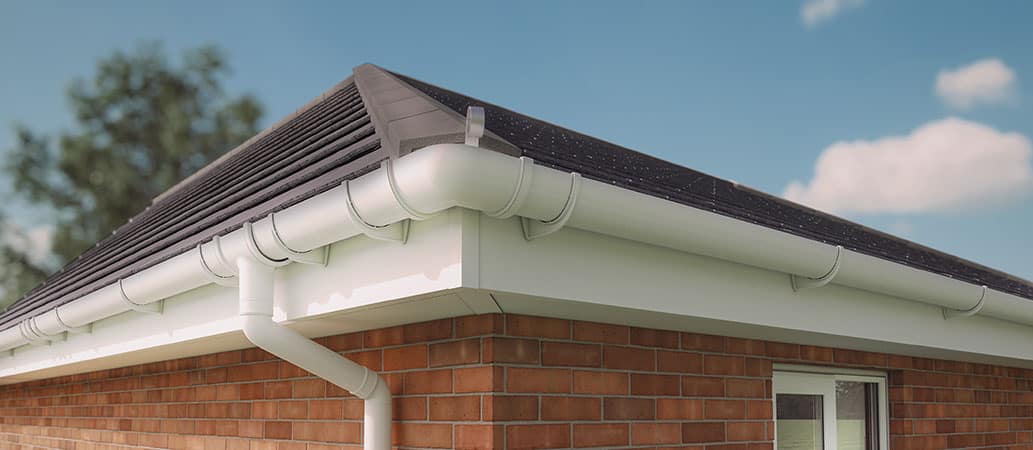
Before diving into installation strategies, it’s vital to comprehend what Soffit And Cladding entails. Soffit is normally installed below the Eaves Maintenance of a roof, where it meets the outside walls of a home. It serves numerous functions, consisting of:
- Aesthetic Appeal: Enhances the architectural style of a home.
- Ventilation: Facilitates air flow into the attic to prevent wetness buildup.
- Security: Shields rafters and framing from weather condition elements.
Types of Soffit Materials
Soffits can be made from various materials, each with unique advantages and drawbacks. Below is a contrast table of common soffit products.
| Product | Pros | Cons | Normal Cost (per linear foot) |
|---|---|---|---|
| Vinyl | Low maintenance, rot-resistant | Can crack in severe cold | ₤ 3 – ₤ 5 |
| Aluminum | Long lasting, lightweight, and rust-resistant | Limited color choices | ₤ 4 – ₤ 7 |
| Wood | Visual appeal, can be painted | Prone to rot and insects | ₤ 5 – ₤ 10 |
| Fiber Cement | Fire-resistant and durable | More costly | ₤ 7 – ₤ 12 |
Steps for Expert Soffit Installation
An effective soffit installation process includes several crucial steps. Below is a list detailing these actions:
-
Planning and Measurement
- Step the area where the soffit will be installed.
- Select the appropriate materials based on your home’s architectural style and Eaves Repair climatic conditions.
-
Gather Tools and Materials
- Important tools consist of a measuring tape, saw, nail gun, level, shatterproof glass, and ladders.
- Ensure you have all needed materials: soffit panels, fasteners, and caulk.
-
Prepare the Area
- Clear any obstructions around the installation area.
- Guarantee that the underlying structure is sound and appropriately supported.
-
Cutting the Soffit
- Cut the soffit panels to the appropriate lengths utilizing a saw.
- Make certain to account for ventilation holes, if applicable.
-
Setting Up the Soffit Panels
- Begin at one end of the eave and work your method to the other side.
- Use a level to ensure even installation before securing panels in place with fasteners.
-
Ventilation Installation
- If relevant, set up vented soffit panels to boost attic airflow.
- Verify that vents are unblocked and effectively lined up.
-
Sealing Edges
- Usage caulk to seal edges and joints for a weather-tight finish.
- Ensure that caulk appropriates for the materials utilized.
-
Last Inspection
- Once set up, check the soffit for any loose panels, gaps, or misalignments.
- Resolve any problems before completing the job.
Typical Mistakes to Avoid
When setting up soffits, it’s simple to neglect some information. Here’s a list of typical mistakes to prevent:
- Neglecting Ventilation: Failing to incorporate appropriate ventilation can cause moisture accumulation and mold development.
- Inaccurate Measurements: Always double-check measurements before cutting to prevent wastage.
- Neglecting Local Building Codes: Be sure to research study and adhere to regional regulations relating to soffit installation.
- Inadequate Sealing: Don’t stint caulking; stopping working to seal gaps can invite insects and water damage.
Maintenance Tips for Soffits
Preserving your soffits can substantially extend their life. Here are some maintenance suggestions:
- Regular Inspections: Check for signs of damage or pest infestation, especially in wooden soffits.
- Cleaning: Clean soffits occasionally to eliminate dirt and debris.
- Repair: Promptly repair any damage or wear to avoid additional concerns.
FAQ
How often should soffits be checked?
Soffits should preferably be inspected at least when a year, particularly before the winter season.
Can I set up soffits myself?
Yes, if you possess fundamental woodworking skills and the right tools, soffit installation can be a DIY task. Nevertheless, hiring specialists is suggested for bigger tasks or if you do not have experience.
What is the average expense of soffit installation?
The expense differs commonly based on products and the size of the job. On average, homeowners can expect to spend in between ₤ 600 and ₤ 2,000 for professional installation.
How do I choose the ideal soffit product?
Consider aspects such as climate, maintenance, and the aesthetic of your home when selecting the material. Vinyl is an excellent option for low maintenance, while wood uses a traditional look but needs more upkeep.
Is there a specific time of year that is best for soffit installation?
While soffit installation can be carried out at any time of year, spring or early fall is often ideal due to milder temperature levels and less precipitation. This guarantees much better working conditions and optimum adhesion for materials.
Expert soffit installation is important for maintaining the integrity of a home. Comprehending the different products, installation procedures, and maintenance requirements can empower homeowners to make informed choices. Whether selecting a DIY technique or looking for professional assistance, buying quality soffit installation can boost both the appeal and functionality of any home.
