


Hobelmaschinen Für Heimwerker
Add a review FollowOverview
-
Founded Date July 30, 1907
-
Sectors Construction / Facilities
-
Posted Jobs 0
-
Viewed 15

Company Description
A Look At The Future What’s The Industrial Planing Machines Industry Look Like In 10 Years?
Understanding Industrial Planing Machines: A Comprehensive Overview
Industrial planing machines play a vital function in different manufacturing processes, especially in the woodworking and metalworking industries. These machines are created to shape, cut, and surface materials, allowing markets to fulfill particular measurements and tolerances needed for Hobelmaschinen production. This short article will look into the types, functionalities, advantages, and considerations involved in utilizing industrial planing machines.
What is an Industrial Planing Machine?
An industrial planing device is a machine tool that gets rid of product from the surface of a workpiece to achieve a wanted finish or shape. These machines can be used for a variety of products, including wood, metal, and plastic. The primary function of a planing device is to produce flat surface areas on workpieces, ensuring they meet the particular requirements of the production process.
Kinds Of Industrial Planing Machines
There are a number of types of industrial planing machines, each customized for various applications. Below are the most typical types:
| Type | Description | Common Uses |
|---|---|---|
| Density Planer | A machine where the workpiece passes through rollers to produce a consistent density. | Woodworking, kitchen cabinetry |
| Surface Planer | Used to create a flat surface area on the workpiece. | Wood surfaces preparation |
| Bed Planer | A big machine that can handle large workpieces, it moves vertically and horizontally. | Metalworking |
| Piece Planer | Developed for large boards or slabs, it operates by moving the workpiece through a stationary cutter. | Furniture making |
| CNC Planer | A computer-controlled machine that offers high precision and automation in the planing procedure. | Advanced woodworking |
Secret Features of Planing Machines
When selecting an industrial planing maker, several features must be considered:
| Feature | Description |
|---|---|
| Power and Motor Size | Identifies the maximum thickness and width that can be processed. |
| Cutting Speed | Impacts the surface area finish and efficiency. |
| Table Size | Important for managing larger workpieces without problems. |
| Product Compatibility | Some machines are developed for specific materials, impacting their adaptability. |
| Automation Level | Machines can range from manual to fully automated systems, affecting operation and expense. |
Benefits of Industrial Planing Machines
Employing industrial planing machines brings various benefits to producing operations, including:
- Precision: These machines offer high levels of precision, guaranteeing that parts fulfill strict requirements.
- Performance: Automating the planing procedure lowers the time required for manual work, increasing general performance.
- Consistency: Machines produce consistent outcomes, minimizing variations that often occur throughout manual operations.
- Flexibility: Many planing machines can handle numerous types of products, making them suitable for varied applications.
- Cost-Effective: While the preliminary financial investment might be substantial, the decrease in labor expenses and lost materials generally compensates for this.
Factors to Consider When Choosing an Industrial Planing Machine
When investing in an industrial planing maker, a number of elements need to be thought about to determine the very best suitable for the operation:
- Material Type: Understanding the products you will be dealing with will determine the type of maker needed.
- Volume of Production: The anticipated volume can influence the option in between manual and automatic machines.
- Work area Requirements: Consider the offered space given that some machines can be large and need considerable room for operation.
- Budget: Assess your budget restrictions, as machines vary in price based upon functions and abilities.
- Maintenance Needs: Choose a machine that is simple to maintain and Planing Machines For Woodworking Projects has readily available parts.
Often Asked Questions (FAQ)
1. What is the main function of a planing maker?
The primary function of a planing machine is to develop flat surface areas on workpieces, removing material to achieve specific measurements and finishes.
2. How does a density planer vary from a surface area planer?
While both machines aim to produce flat surfaces, a density planer concentrates on attaining a particular thickness, whereas a surface area planer is created to produce a flat surface without focus on thickness.
3. Can industrial planing machines be used for products besides wood?
Yes, industrial planing machines can be designed to work with different materials, including metal and plastic, Industriehobelmaschinen depending on the building and Planing Machines Online Purchase construction and requirements of the device.
4. What maintenance is required for industrial planing machines?
Routine maintenance generally consists of cleansing, sharpening blades, looking for wear, Gebrauchte Hobelmaschinen Kaufen and guaranteeing that moving parts are lubricated to prolong the device’s life-span.
5. Are CNC planers worth the financial investment for small companies?
For businesses focused on precision, automation, and planing machines price high production volume, purchasing a CNC planer can result in higher effectiveness and higher-quality outputs. Nevertheless, this might not be possible for all small companies due to the initial expense.
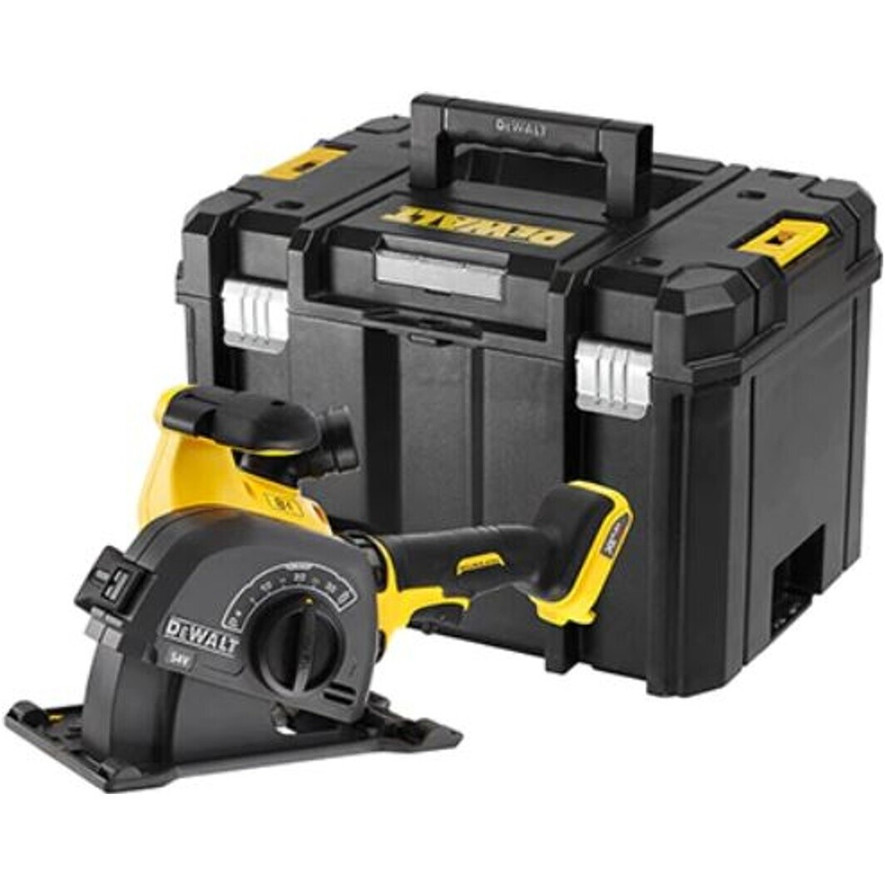
Industrial planing machines represent a vital element in making procedures throughout various sectors. Their ability to improve precision, performance, and consistency makes them indispensable tools in today’s competitive market. By understanding the types, features, benefits, and selection criteria laid out in this short article, makers can make informed choices when incorporating these machines into their operations.
As technology continues to evolve, so will the abilities of industrial planing machines, further driving precision and efficiency in manufacturing processes. Whether you run in woodworking, metalworking, or any other related market, accepting improvements in machinery will ultimately lead to much better production results and enhanced operational capabilities.
