


Hob Extractor
Add a review FollowOverview
-
Founded Date December 2, 1987
-
Sectors Health Care
-
Posted Jobs 0
-
Viewed 35

Company Description
The Best Cooker Hood Tricks To Transform Your Life
The Essential Guide to Cooker Hoods: Choosing the very best for Your Kitchen
Introduction
A properly designed kitchen is not just identified by its aesthetics however also by its functionality. One of the unrecognized heroes of the kitchen environment is the cooker hood. Typically overlooked, this home appliance plays an essential function in preserving air quality, enhancing cooking visibility, and securing kitchen surfaces from grease and gunk. This blog site post explores the various types of cooker hoods, how to pick one that fits your needs, upkeep ideas, benefits, and regularly asked questions.
What is a Cooker Hood?
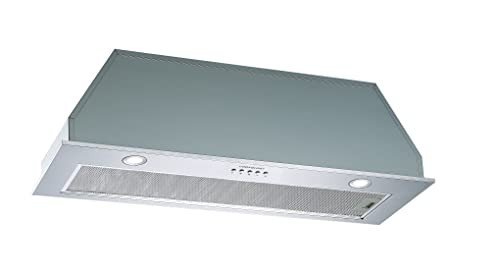
A cooker hood, also called an extractor hood or range hood, is set up above the cooking location to ventilate the kitchen by removing smoke, steam, heat, and cooking odors. They can be found in numerous styles and types, each suited to different needs and kitchen designs.
Kinds Of Cooker Hoods
Comprehending the types of cooker hoods available is important for making a notified decision. Here’s a table to help highlight the different types and their special functions.
| Type of Cooker Hood | Description | Suitable For |
|---|---|---|
| Wall-Mounted | Connected to the wall above the cooking surface area. | Traditional kitchens with a range. |
| Under-Cabinet | Set up under kitchen cabinets, conserving space. | Smaller kitchens lacking vertical space. |
| Island | Hanging from the ceiling over a kitchen island. | Open-plan kitchens with islands. |
| Downdraft | Withdraws into the countertop when not in use. | Modern kitchens with tidy lines. |
| Chimney | Features a chimney-like structure for ventilation. | Standard or rustic-style kitchens. |
| Professional | Durable hoods created for high-heat cooking. | Gourmet or expert kitchens. |
Benefits of Cooker Hoods
Investing in a cooker hood includes numerous advantages:
- Improved Air Quality: By straining smoke, grease, and cooking smells, cooker hoods maintain a fresh and tidy kitchen environment.
- Increased Comfort: Effective ventilation lowers humidity and heat, making cooking a more comfortable experience.
- Boosted Kitchen Aesthetics: An elegant hood can act as a centerpiece in your kitchen style, contributing to its total beauty.
- Protection from Damage: By eliminating grease and steam, cooker hoods assist protect the longevity of kitchen cabinets and surface areas.
- Health Benefits: Good ventilation can decrease the risk of respiratory problems associated with extended exposure to cooking fumes.
Choosing the Right Cooker Hood
When picking a cooker hood, a number of elements should be considered to guarantee you make the very Best Cooker Hood option for your kitchen.
1. Size
The hood ought to be at least as broad as your cooking surface to effectively record smoke and odors. A basic guideline of thumb is to choose a hood that extends 3 to 6 inches beyond the edges of the cooktop.
2. Type of Venting
Cooker hoods can be vented to the outdoors or run in recirculating mode.
- Vented Hoods: Expel air outside; recommended for optimum performance.
- Recirculating Hoods: Filter air and return it to the kitchen; suitable for apartments or where venting outside isn’t feasible.
3. Power and Noise Level
The blower power (determined in cubic feet per minute, or CFM) should line up with your cooking routines. In addition, consider the sound level of the hood, usually determined in sones, to maintain a tranquil kitchen environment.
4. Filter Type
There are various kinds of filters, including:
- Metal Mesh Filters: Durable and washable, appropriate for regular usage.
- Charcoal Filters: Used in recirculating hoods, require replacement regularly.
5. Design
Pick a style that complements your kitchen’s general design. This can include traditional, modern, or industrial aesthetics.
Maintenance Tips
To guarantee ideal performance and durability of your cooker hood, routine maintenance is important. Here are some pointers:
- Clean Filters Regularly: Depending on usage, tidy or replace filters every few months to keep efficacy.
- Wipe Down Surfaces: Use mild cleaners to remove grease and spots from the exterior frequently.
- Examine Ventilation Duct: Ensure it is complimentary of obstructions to improve air flow.
- Examine Fan Blades: Clean as required to keep the fan performing effectively.
Frequently Asked Questions (FAQs)
1. How do I understand if I require a cooker hood?
If you frequently prepare with gas or produce a lot of smoke and smells, a cooker hood is important for keeping great air quality in your kitchen.
2. Can a cooker hood be installed myself?
While some homeowners may pick to install a cooker hood themselves, it is suggested to hire an expert, especially for electric and ducted setups.
3. What is the perfect height to set up a cooker hood?
Usually, a cooker hood should be installed 24 to 30 inches above the cooking surface area for optimum efficiency.
4. How often should I clean my cooker hood?
A good rule of thumb is to clean up the filter monthly for routine cooking; regularly if you cook greasy foods often.
5. Do cooker hoods get rid of heat?
Yes, cooker hoods assist to get rid of heat in addition to smoke and odor, reducing the general temperature level in your kitchen.
A cooker hood is an important part of a functional kitchen, boosting both cleanliness and convenience. With various styles and types offered, it’s vital to pick a hood that fits your cooking habits and kitchen style. By understanding the different functions and upkeep requirements, you can make an informed choice that adds worth to your home. Buying a high-quality cooker hood is not merely a purchase; it’s a financial investment in your health, comfort, and the life-span of your kitchen.
