


High Grade Counterfeit Money
Add a review FollowOverview
-
Founded Date April 20, 1947
-
Sectors Accounting / Finance
-
Posted Jobs 0
-
Viewed 78

Company Description
The 9 Things Your Parents Teach You About Counterfeit Money That Looks Real
Counterfeit Money That Looks Real: A Comprehensive Guide
Counterfeit money has been a considerable issue throughout history, with infamous forgers producing bills that look almost indistinguishable from genuine currency. In an era where innovation continues to advance at breakneck speed, the approaches used by counterfeiters have become progressively advanced, making it challenging for the typical person to discover fake bills. This post aims to check out the numerous elements of counterfeit money that looks real, offering helpful information on how to acknowledge it, the legal ramifications, and what steps can be required to safeguard oneself from counterfeit currency.
Understanding Counterfeit Currency
What is Counterfeit Money?
Counterfeit money describes fake currency produced with the intent to deceive people or institutions. This illegal activity has serious effects, not simply for those who produce it but likewise for the economy as a whole. The production and distribution of counterfeit notes undermine trust in the financial system and can lead to significant losses for companies and people.
Why is Counterfeit Money a Concern?
Counterfeit money positions a number of risks, consisting of:
- Economic Impact: The existence of fakes can devalue legitimate currency.
- Trust Issues: Counterfeiting wears down public self-confidence in the monetary system.
- Legal Consequences: Possession or distribution of counterfeit money is a crime in the majority of jurisdictions.
The Technology Behind Counterfeiting
As technology improves, so do the strategies utilized to produce counterfeit bills. Professional counterfeiters use high-resolution printers and advanced software application to mimic the information of genuine currency. Here’s a take a look at some of the devices and strategies typically utilized in counterfeiting:
Equipment Commonly Used in Counterfeiting
| Equipment | Description |
|---|---|
| High-Resolution Printers | Used for printing detailed images on high-quality paper. |
| Scanners | Employed to capture images of real currency for recreation. |
| Software | Programs like Adobe Photoshop are used to customize and boost images. |
| Specialty Paper | Some counterfeiters utilize paper that mimics the texture and feel of real currency. |
Methods to Mimic Real Currency
- Watermarking: Some counterfeiters try to reproduce or even create their own watermarks.
- Microprinting: This is the little text that is hard to recreate, often utilized in real currency for security.
- Color-Shifting Ink: Some bills use ink that alters color when seen from various angles, a function tough to reproduce.
How to Identify Counterfeit Money
With counterfeiters improving at their craft, it’s essential to know how to determine fake bills. Here are some tips:
Security Features to Look For
- Watermarks: Genuine currency has watermarks that can be seen when held up to the light.
- Security Thread: This is a thin strip of plastic ingrained in the bill that runs vertically.
- Color-Shifting Ink: Check for ink that alters color when seen from different angles.
- Microprinting: Look for small text that appears along the edges of the costs, which ought to be sharp and clear.
- Tactile Features: Some currencies have actually raised printing for a textured feel.
Common Counterfeit Detection Methods
| Approach | Description |
|---|---|
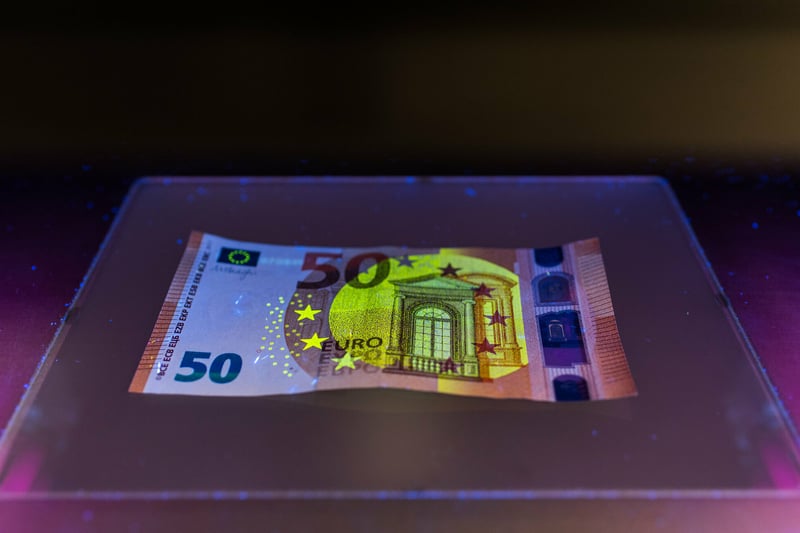
| UV Light Test | Counterfeit bills might lack the UV includes found in genuine ones. |
| Pen Test | Special pens can identify counterfeit bills based on the chemical composition of the paper. |
| Amplifying Glass | Assists identify tiny details and microprinting. |
| Smart device Apps | Some apps are created to assist identify counterfeit money. |
The Legal Consequences of Counterfeiting
Counterfeiting is a severe criminal activity, often categorized under federal law due to its ramifications on nationwide currency. Here are a few of the legal effects:
Possible Legal Consequences
- Fines: Counterfeiters can deal with heavy fines that range from thousands to millions of dollars.
- Prison Time: The sentence can differ, but a federal conviction typically results in a number of years in prison.
- Civil Liability: In some cases, counterfeiters may deal with civil suits from those who suffered losses due to counterfeit bills.
Frequently Asked Questions
Q1: How can I inform if a costs is counterfeit?
A: Look for security features such as watermarks, security threads, color-shifting ink, and tactile functions. Furthermore, utilize approaches like UV light tests or unique pens developed to identify counterfeit currency.
Q2: What should I do if I receive a counterfeit bill?
A: If you get a counterfeit costs, do not attempt to pass it along. Rather, report it to local law enforcement and the U.S. Secret Service. They have actually specialized units to handle counterfeit cases.
Q3: Can I legally keep a counterfeit expense?
A: No, having counterfeit money is unlawful, and you might face legal consequences. It’s a good idea to turn it over to police.
Q4: Are there certain states where counterfeiting is more prevalent?
A: Counterfeiting can happen in any state, however big city areas tend to have greater incidences due to population density and financial activity.
Q5: How can businesses safeguard versus counterfeit currency?
A: Businesses can protect themselves by training workers to acknowledge counterfeit bills, investing in counterfeit detection tools, and implementing policies for dealing with cash transactions.
Counterfeit money is a complex problem that continues to develop with technology. By understanding how counterfeiters operate and understanding the crucial features to look for in genuine currency, individuals and companies can much better secure themselves from the threats connected with counterfeit bills. Awareness, education, and the use of numerous detection approaches can significantly lower the possibilities of succumbing to this continuous financial criminal activity. Constantly stay alert and informed to protect your financial resources versus counterfeiting hazards.
