


Glass Repair
Add a review FollowOverview
-
Founded Date December 28, 1982
-
Sectors Construction / Facilities
-
Posted Jobs 0
-
Viewed 2

Company Description
10 Quick Tips About Window Moisture Removal
Window Moisture Removal: An Essential Guide for Homeowners
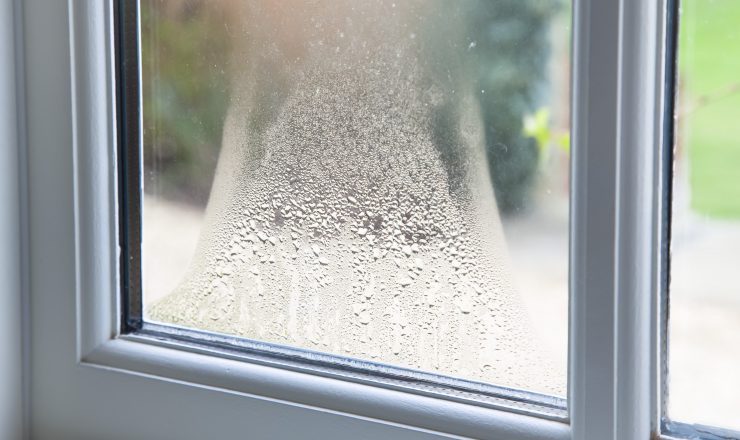
Moisture on windows is a common issue in many households, particularly throughout specific seasons. Aside from being a visual annoyance, window moisture can cause more major issues like mold growth, wood rot, and window frame damage. This blog site post will explore the reasons for window moisture, reliable removal approaches, avoidance techniques, and often asked questions.
Understanding Window Moisture
What Causes Window Moisture?
Window moisture happens when warm, damp air collides with the cooler surface of window glass. This condensation procedure can happen in a number of scenarios, including:

| Environment | Description |
|---|---|
| Damp Weather | High outdoor humidity levels can result in condensation on windows, specifically if indoor humidity rises. |
| Poor Insulation | Window frames that lack correct insulation may struggle to preserve a constant temperature level. |
| Temperature level Changes | Rapid fluctuations in temperature level, brought on by utilizing heating or cooling systems, can contribute to moisture buildup. |
| Everyday Activities | Activities like cooking, showering, and even breathing can present excess humidity into the indoor air. |
The Impact of Window Moisture
Persistent moisture on windows can result in various unfavorable effects:
- Mold Growth: Excess moisture produces an environment conducive to mold, which can impact indoor air quality and cause health issues.
- Structural Damage: Continuous direct exposure to moisture can weaken window frames, resulting in pricey repairs.
- Decreased Energy Efficiency: Foggy windows might indicate a stopping working seal, equating to greater energy expenses as heating and cooling systems work harder to maintain a comfortable indoor temperature level.
Efficient Window Moisture Removal Techniques
Removing moisture from windows can involve a variety of methods. Here, we provide a few of the most effective strategies.
| Technique | Description |
|---|---|
| Squeegee | A classic technique for eliminating condensation quickly. Simply wipe the window with a squeegee after a humid day. |
| Towels | Use absorbent towels to blot water from the surfaces of your windows. |
| Dehumidifiers | Make use of a dehumidifier in spaces with consistent high humidity levels to decrease total moisture. |
| Ventilation Systems | Properly set up vent fans in bathroom and kitchens can efficiently decrease humidity throughout cooking or bathing activities. |
| Window Film | Consider installing window movies that can help to insulate the glass and reduce condensation. |
| Weatherstripping | Check seals and apply weatherstripping around window frames to enhance insulation. |
In-depth Steps for Moisture Removal
- Recognize the Source: Before trying to get rid of moisture, identify the source. Look for leaks or humidity sources.
- Clean Down Windows: Use a squeegee or absorbent towel to eliminate the condensation from window surfaces.
- Increase Ventilation: Open windows on dry days to promote airflow or run exhaust fans in humid locations.
- Usage Dehumidifiers: Set up dehumidifiers where excess humidity prevails, following the producer’s directions for optimum settings.
- Enhance Insulation: Inspect window seals for air leakages; consider upgrading to Double Glazing Fog-paned windows if necessary, as they are more efficient at preventing condensation.
Prevention Strategies
Prevention is often simpler and more economical than dealing with the after-effects of window moisture. Here are some suggestions to reduce the likelihood of condensation:
List of Prevention Measures
- Keep Indoor Humidity: Keep indoor humidity levels between 30% and 50% to avoid excess moisture. Use hygrometers to help monitor humidity levels.
- Regularly Service Heating/Cooling Systems: Ensure that HVAC systems are operating well and set to appropriate humidity levels.
- Make Use Of Exhaust Fans: Always run bathroom and kitchen exhaust fans while cooking or bathing to expel excess moisture.
- Seal Gaps in Windows: Apply caulk or weatherstripping around windows to prevent drafts and improve insulation.
- Keep Houseplants in Check: While houseplants include appeal to the home, they also release moisture. Limitation the variety of plants in especially humid locations.
Often Asked Questions (FAQs)
Q: What is the very best method to eliminate moisture from windows?
A: The Best Double Glazing Repairs approach varies depending upon the situation. For immediate removal, use a squeegee or towels. For ongoing moisture concerns, think about using a dehumidifier and improving insulation.
Q: Can window moisture cause mold?
A: Yes, if moisture stays on windows for prolonged durations, it can produce a conducive environment for mold development, significantly impacting indoor air quality.
Q: How can I inform if my windows are badly insulated?
A: Signs of poor insulation consist of condensation in between Misted Double Glazing Repairs UK-paned windows, drafts felt around the frames, and temperature distinctions along glass surface areas.
Q: Is it essential to call a professional?
A: If moisture issues persist regardless of implementing removal and prevention methods, it may be helpful to consult a professional to evaluate insulation and HVAC systems or look for possible leaks.
Q: Can window films genuinely help in reducing condensation?
A: Yes, window movies can act as extra insulation, keeping the interior surfaces warmer and reducing the possibility of moisture buildup due to temperature differences.
window fogging up moisture is an issue that every house owner may experience at some point. Understanding its causes, carrying out efficient removal techniques, and preventing it through strategic options can help maintain much better air quality and safeguard your home. By taking proactive measures, homeowners can develop a much healthier, more comfortable environment and protect their windows for years to come. Correct upkeep and awareness are crucial to ensuring that condensation does not lead to more considerable problems in the future.
