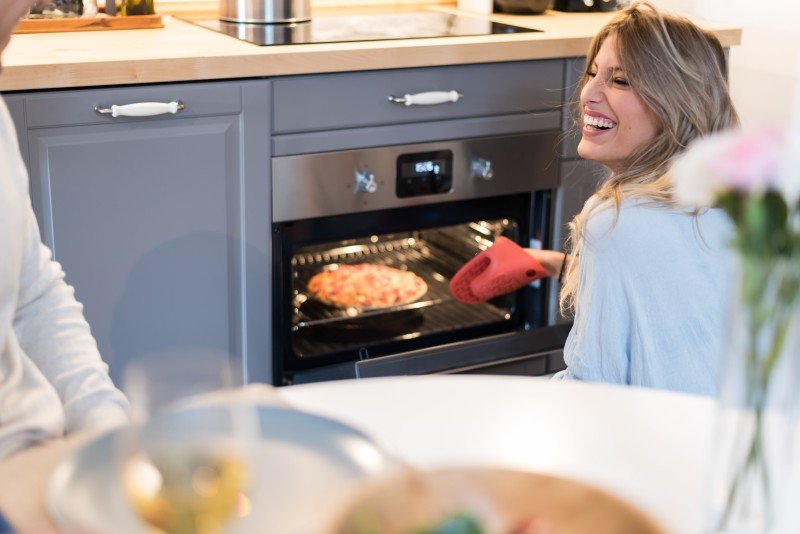
Electric Ovens And Hobs
Add a review FollowOverview
-
Founded Date May 1, 1932
-
Sectors Restaurant / Food Services
-
Posted Jobs 0
-
Viewed 83

Company Description
The 10 Most Scariest Things About Ovens Sales
The Boom in Oven Sales: Trends, Factors, and Future Outlook
Introduction
The world of kitchen appliances is constantly developing, with patterns influenced by way of life modifications, technological improvements, and consumer choices. Among the variety of kitchen gizmos, ovens hold a special location as vital devices for both cooking enthusiasts and everyday home cooks. In the last few years, oven sales have witnessed a considerable rise, driven by various aspects. This post checks out the trends and insights surrounding the sales of ovens, taking a look at the various types offered, consumer choices, and the implications for producers and retailers.
The Surge in Oven Sales
oven and hobs sales have actually increased noticeably over the last years, reflecting wider changes in society. Factors adding to this trend include:
-
Increased Home Cooking: The COVID-19 pandemic accelerated a shift towards home cooking, as individuals spent more time inside. This trend caused increased financial investments in quality kitchen devices, including ovens.
-
Health and Wellness Trends: Consumers are becoming more health-conscious, triggering a rise in cooking in your home. Ovens Sales – 42.192.14.135 – that provide healthier cooking alternatives, such as steam ovens and air fryers, have seen a considerable boost in need.
-
Technological Advancements: Smart ovens equipped with Wi-Fi connection and advanced cooking functions have actually mesmerized tech-savvy customers. These innovations use benefit and effectiveness, more boosting sales.
-
Sustainability Concerns: Environmentally-conscious consumers are selecting energy-efficient appliances, driving the marketplace for modern-day ovens developed to minimize energy usage.
Types of Ovens on the marketplace
The range of ovens readily available today deals with various cooking styles, choices, and requires. Here’s a comprehensive look at the types of ovens presently forming the market:
1. Conventional Ovens
- Range Ovens: Traditional integrated ovens found in a lot of kitchens, frequently paired with stovetops.
- Wall Ovens: built in electric oven and hob into the wall, providing extra cooking area and versatility in kitchen design.
2. Convection Ovens
- Utilize a fan to flow hot air, promoting even cooking and browning. Suitable for baking and roasting.
3. Microwave Ovens
- Integrate microwave and conventional heat for versatile cooking options. Quick cooking times make them popular in modern-day kitchens.
4. Steam Ovens
- Usage steam to cook food, protecting nutrients and leading to healthier meals. Popular amongst health-conscious customers.
5. Smart Ovens
- Geared up with IoT technology, these ovens can be controlled from another location through smart device apps. They often have predetermined cooking modes to streamline meal preparation.
6. Air Fryers
- A hot pattern that has actually become a smaller, counter top alternative to traditional ovens, permitting healthier frying with very little oil.
Consumer Preferences
Understanding consumer choices is important for producers and merchants. Current studies and research studies suggest several key patterns among buyers:
Key Preferences
- Speed and Convenience: Many consumers prioritize devices that use fast cooking times and ease of use.
- Flexibility: Ovens that can perform multiple functions, such as baking, broiling, and air frying, are increasingly preferred.
- Smart Features: As innovation advances, more customers are favoring clever kitchens and devices that integrate with home automation systems.
- Style and Aesthetics: The visual appeal and style of kitchen devices play a substantial role in customer option, with stainless steel and minimalist styles trending.
- Energy Efficiency: Growing issues about the environment have led to greater need for energy-efficient models, and customers are ready to invest in appliances that reflect this choice.
Here’s a summary of customer choices based on current market reports:
| Preference Type | Percentage of Consumers Choosing This Option |
|---|---|
| Speed and Convenience | 74% |
| Versatility | 68% |
| Smart Features | 62% |
| Design and Aesthetics | 55% |
| Energy Efficiency | 70% |
The Future of Oven Sales
As trends continue to progress, the future of oven sales appears promising. Numerous aspects are anticipated to drive development:
Emerging Trends
- Customization: A move toward personalized ovens allowing consumers to choose functions and looks that mix with their special kitchen styles.
- Sustainable Options: An uptick in manufacturers producing sustainable and environment-friendly alternatives to cater to environmentally-conscious customers.
- Integration of AI: The usage of expert system in ovens will enhance cooking procedures by recommending recipes based on readily available active ingredients and user preferences.
Obstacles Ahead
While the outlook for oven sales is mostly positive, makers deal with several challenges:
- Intense Competition: Increasing competitors in the kitchen appliance market demands constant development.
- Supply Chain Issues: Global supply chain disturbances can impact item availability, impacting sales.
- Customer Budget Constraints: Economic factors may affect consumer spending on high-end and wise appliances.
Regularly Asked Questions (FAQs)
Q1: What features should I try to find when purchasing a new oven for sales?A: Look for speed and convenience features, adaptability, energy performance, smart functionalities, and design looks that match your kitchen.
Q2: Are wise ovens worth the investment?A: Yes, clever ovens offer added benefit through remote control, dish recommendations, and adjustable settings, making cooking more effective.
Q3: Do steam ovens prepare food quicker than traditional ovens?A: While steam ovens can cook some foods faster, cooking times differ based upon the kind of food being prepared. They do, nevertheless, aid maintain wetness and nutrients.
Q4: Are air fryers healthier than conventional frying methods?A: Yes, air fryers utilize significantly less oil than traditional frying, making them a much healthier choice for cooking fried foods.
Q5: How can I guarantee my oven is energy-efficient?A: Look for models with the ENERGY STAR label and utilize features like power-saving modes to minimize energy consumption.
The rise in oven sales highlights a shift in consumer behavior and preferences, emphasizing the significance of cooking in your home and the integration of innovation into kitchen devices. As consumers end up being more discerning with their options, producers and sellers must adapt to meet progressing needs. The future of oven sales looks bright, with innovative products set to revolutionize cooking practices and boost the cooking experience. As customers purchase carefully crafted and feature-rich ovens, the world of cooking will continue to experience interesting advancements.