Disabled Ramps
Add a review FollowOverview
-
Founded Date December 21, 1992
-
Sectors Education Training
-
Posted Jobs 0
-
Viewed 5

Company Description
The 10 Most Terrifying Things About Wheelchair Ramp Portable
Exploring Portable Wheelchair Ramps: A Comprehensive Guide
In a world where availability and mobility are vital, portable wheelchair ramps have actually become important tools for people with mobility difficulties. These ramps use a useful option for navigating numerous environments, whether in the house, in public spaces, or throughout travel. This post looks into the functions, benefits, types, and considerations when picking a portable wheelchair ramp, along with a regularly asked questions section to brighten typical queries.
What is a Portable Wheelchair Ramp?
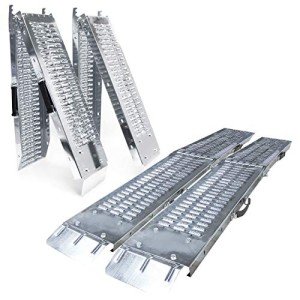
A portable wheelchair ramp is a lightweight, typically foldable structure created to provide simple access over stairs, curbs, and other elevation modifications. Unlike long-term ramps, portable versions can be quickly transferred and set up in numerous areas, making them perfect for those who require temporary ease of access solutions.
Secret Features of Portable Wheelchair Ramps
- Lightweight Construction: Typically made from products like aluminum, a portable ramp is designed for easy transportation.
- Foldable Design: Many designs can be folded in half or thirds, conserving space when saved or brought.
- Slip-Resistant Surface: Most ramps feature textured surfaces to avoid slipping, ensuring user safety during usage.
- Adjustable Length: Some ramps feature adjustable legs or extended sections, enabling personalization based on the height of the elevation to be navigated.
- Weight Capacity: A range of ramps are available with various weight capacities to accommodate numerous users and their equipment.
Benefits of Using Portable Wheelchair Ramps
- Increased Independence: Portable ramps empower users, enabling them to browse environments without requiring assistance.
- Versatility: They can be used in numerous settings– homes, automobiles, public locations– making them exceptionally versatile.
- Cost-efficient: Compared to building long-term ramps, portable choices can be a more budget-friendly service to meet ease of access needs.
- Convenience: The lightweight and foldable nature of these ramps permits users to bring them easily in cars or keep them in tight areas when not in use.
Types of Portable Wheelchair Ramps
Below is a relative table outlining different types of portable wheelchair ramps:
| Ramp Type | Description | Pros | Cons |
|---|---|---|---|
| Folding Ramps | Can be folded in half or thirds for transportation. | Compact size, simple to carry. | May require a little bit of setup time. |
| Single Fold Ramps | Lightweight, single-fold design suitable for portable use. | Simple style, lightweight. | Limited length alternatives. |
| Multi-Fold Ramps | Fold into smaller sizes for simple transport. | Excellent for greater elevations. | Can be bulkier when completely opened. |
| Telescoping Ramps | Adjustable length; can extend based on requirements. | Customizable length. | More pricey than fixed ramps. |
| Wheelchair Van Ramps | Designed particularly for automobiles. | Convenient for automobile access. | Can have restricted use elsewhere. |
Factors to Consider When Choosing a Portable Ramp
When choosing a portable Wheelchair Ramp Portable ramp, consider the following aspects:
- Height of Elevation: Measure the height of the stairs or curb the ramp requires to navigate.
- Ramp Length: The longer the ramp, the simpler the incline will be to browse. Be sure to follow the suggested slope ratio, ideally 1:12 for wheelchairs.
- Weight Capacity: Ensure the ramp can support the user and any equipment, such as a powered wheelchair.
- Mobility: Look for ramps that are simple to fold and transfer.
- Product: Choose lightweight but long lasting materials. Aluminum is popular for its strength and rust resistance.
- Surface area Texture: Ensure the ramp has a non-slip surface area for user safety, particularly in damp conditions.
Frequently Asked Questions (FAQ)
1. What is the recommended slope for wheelchair ramps?
The ADA (Americans with Disabilities Act) suggests a slope of 1:12 for irreversible ramps, which means for every single inch of vertical rise, there should be at least 12 inches of ramp run.
2. Can portable ramps accommodate powered wheelchairs?
Yes, however it’s vital to confirm that the ramp has a weight capacity that satisfies or surpasses the total weight of the powered wheelchair and its user.
3. Are portable wheelchair ramps safe?
When used according to the maker’s requirements and standards, portable ramps are usually safe. It’s vital to choose ramps with non-slip surface areas and guarantee they are securely put.
4. Can I utilize a portable ramp for various places?
Definitely! Among the main advantages of portable ramps is their ability to be utilized in numerous locations, whether at home, in vehicles, or in public spaces.
5. What upkeep do portable ramps need?
Routinely inspect the ramp for any signs of wear and tear, clean the surface area to maintain grip (especially after rain), and ensure all moving parts function appropriately.
Portable wheelchair ramps play a vital function in enhancing ease of access and independence for those with mobility challenges. Their lightweight and foldable designs permit users to browse stairs, curbs, and other barriers with ease. By thinking about the aspects laid out above and understanding the different types available, users can select the ideal ramp to match their needs. With the best portable wheelchair ramp, individuals can restore confidence in their mobility, making daily tasks much simpler and more enjoyable.