


Condensation On Windows
Add a review FollowOverview
-
Founded Date April 13, 1943
-
Sectors Health Care
-
Posted Jobs 0
-
Viewed 33

Company Description
You’ll Never Guess This Replacement Glass’s Benefits
The Comprehensive Guide to Replacement Glass: Understanding Types, Uses, and Costs
Foggy Window Replacement glass is a vital aspect of keeping both functionality and aesthetics in homes, cars, and commercial areas. Whether it’s a broken Window Condensation, a shattered shower door, or a broken windshield, knowing the ins and outs of replacement glass can save both money and time. This post intends to inform readers about the numerous types of replacement glass, their usages, and cost considerations, while supplying a FAQ area to even more clarify typical issues.
Types of Replacement Glass
Replacement glass can be categorized into a number of types based on product and application. Below is a table that lays out the different classifications:
| Type of Glass | Description | Common Uses |
|---|---|---|
| Tempered Glass | Heat-treated for strength and safety. Get into small pieces. | Shower doors, glass doors, and side windows in vehicles. |
| Laminated Glass | Include 2 or more layers with protective interlayers. | Windshields, skylights, and security applications. |
| Annealed Glass | Basic glass that is slowly cooled to eliminate internal tension. | Windows, picture frames, and shelves. |
| Double Glazed Glass | 2 panes of glass with a space in between for insulation. | Energy-efficient windows, noise decrease applications. |
| Acrylic Glass (Plexiglas) | A light-weight, shatter-resistant alternative to glass. | Screens, protective screens, and windows in kids’s centers. |
Further Breakdown of Glass Types
-
Tempered Glass:
- Pros: Stronger than routine glass, much safer to use (shatters into small pieces).
- Cons: More expensive than regular glass.
-
Laminated Glass:
- Pros: Offers sound insulation and UV security; stays undamaged even when shattered.
- Cons: Heavier and normally more expensive.
-
Annealed Glass:
- Pros: Cost-effective and readily available; easily cut to size.
- Cons: Less durable; may burglarize sharp pieces.
-
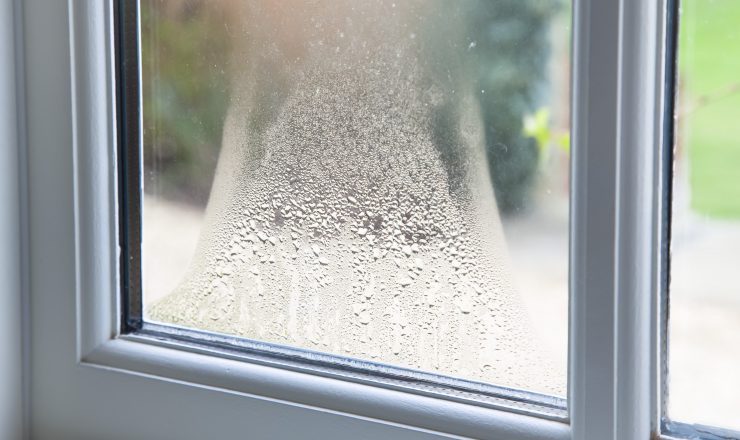
Misted Double Glazing Solutions Glazed Glass:
- Pros: Better insulation and energy effectiveness; minimizes cooling and heating costs.
- Cons: Higher setup costs; can fog if not sealed correctly.
-
Acrylic Glass (Plexiglas):
- Pros: Lightweight, shatter-resistant, and easy to work with.
- Cons: Scratches easily and might become brittle over time.
Comprehending Costs for Replacement Glass
The expenses of replacement glass can differ significantly based on numerous factors, including the kind of glass, the intricacy of setup, and extra features like energy efficiency. The following table describes typical costs for various types of replacement glass, consisting of setup.
| Type of Glass | Typical Cost (per square foot) | Installation Cost |
|---|---|---|
| Tempered Glass | ₤ 25 – ₤ 75 | ₤ 100 – ₤ 200 |
| Laminated Glass | ₤ 30 – ₤ 90 | ₤ 150 – ₤ 300 |
| Annealed Glass | ₤ 10 – ₤ 30 | ₤ 50 – ₤ 100 |
| Double Glazing Repairs Glazed Glass | ₤ 30 – ₤ 100 | ₤ 150 – ₤ 250 |
| Acrylic Glass (Plexiglas) | ₤ 15 – ₤ 50 | ₤ 50 – ₤ 100 |
Aspects Affecting Glass Replacement Costs
- Type of Glass: Premium types like laminated and double glazed will sustain higher expenses.
- Size and Thickness: Larger panes or thicker glass will increase the general cost.
- Labor Complexity: Intricate setups, such as custom-made shapes or frames, will cost more.
- Place of Repair: Urban areas might have greater labor rates than rural areas.
Common Applications of Replacement Glass
Replacement glass is not simply for broken windows. Comprehending its different applications can assist in choosing the best kind of glass Misted up for specific needs:

- Residential: Windows, sliding doors, shower enclosures, and glass tabletops.
- Automotive: Windshields, side windows, and mirror glass.
- Commercial: Storefront windows, office partitions, and display cases.
- Industrial: Safety screens, equipment covers, and protective barriers.
Often Asked Questions (FAQ)
1. What should I do if my glass window breaks?
It is crucial to ensure security first. Prevent touching sharp edges and cover with a durable fabric up until you can replace the glass. Contact a professional for assessment and replacement.
2. For how long does it take to change glass?
The period depends upon the type of glass and the installation intricacy. Basic replacements may take a number of hours, while more comprehensive installations can take a day or more.
3. Is it worth updating to double glazed glass?
Yes, if you’re aiming to save money on energy bills and improve comfort by decreasing heat loss or noise. Though the preliminary cost is greater, the savings can justify the financial investment with time.
4. Can I change glass myself?
While small projects might be workable, it is often suggested to work with specialists for bigger or more intricate installations to ensure security and appropriate fitting.
5. How can I maintain my replacement glass?
Routine cleansing and inspecting seals or edges for damage can prolong the life expectancy of your replacement glass. Avoid abrasive cleaners to prevent scratches.
Replacement glass is a substantial aspect in maintaining not simply the aesthetic appeals but also the security and performance of various environments. Customers need to understand the different kinds of glass offered, their costs, and their applications to make informed choices. With an understanding of what each type uses, people can discover the right match for their requirements and make sure an effective installation.
