


Composite Door Refurbishment Services
Add a review FollowOverview
-
Founded Date March 11, 1963
-
Sectors Construction / Facilities
-
Posted Jobs 0
-
Viewed 4

Company Description
You’ll Never Guess This Composite Door Lock Replacement’s Secrets
Composite Door Lock Replacement: A Comprehensive Guide
Composite doors are well-known for their strength, sturdiness, and aesthetic appeal. Nevertheless, like any other entrance, their locks can break, break, or come down with theft. This post explores the comprehensive process of replacing composite door locks, covering everything from the tools required to regularly asked questions.
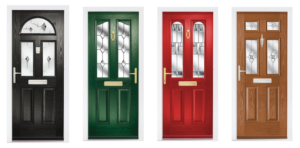
Comprehending Composite Doors and Their Locks
Composite doors are made from a blend of materials, including wood, uPVC, and glass-reinforced plastic (GRP). This mix provides superior insulation and security compared to standard wooden or plastic doors. Given the robust nature of these doors, it is needed to use locks that fulfill high-security requirements. Common lock types for composite doors include:
| Lock Type | Description |
|---|---|
| Deadbolts | Offer an extra layer of security and are resistant to selecting. |
| Multipoint Locks | Lock at multiple points, making it challenging to require the door open. |
| Euro Cylinder Locks | Frequently used in conjunction with multipoint locking systems. |
| Smart Locks | Enable remote gain access to and tracking; they can incorporate with clever home systems. |
Why Replace the Lock?
There are a number of factors why one might consider replacing a composite Door lock Replacement lock:
- Wear and Tear: Over time, locks can become rusty or used out.
- Theft Prevention: If a break-in takes place, it is essential to replace compromised locks.
- Improved Security: Upgrading to a more secure lock can offer much better security.
- Key Loss: If a key is lost, it’s much safer to replace the lock rather than risk unauthorized access.
Indications That You Need a Lock Replacement
Before you take the plunge into replacing your lock, try to find these indicators:
- Sticking or Jamming: Difficulty in turning the essential or locking systems can show wear.
- Visible Damage: Fractures or damage to the lock itself or surrounding door frame.
- Uncommon Noises: Grinding or scraping sounds when utilizing the lock.
- Faulty Key Mechanism: Issues like keys falling out quickly might signal internal damage.
Step-by-Step Guide to Replacing a Composite Door Lock
Changing a composite door refurbishment door lock can be done as a DIY project if you have the right tools and a little persistence. Here’s how to go about it:
Tools and Materials Needed:
| Tool/Material | Function |
|---|---|
| Screwdriver | To remove lock screws |
| Drill | For drilling brand-new holes (if necessary) |
| Replacement lock | A brand-new lock that matches the existing setup |
| Determining tape | To determine the lock and door specifications |
| Pencil | For marking measurements |
| Security goggles | To secure eyes while working |
Replacement Process:
- Assess the Lock: Identify what type of lock is presently installed.
- Get Rid Of the Old Lock: Use a screwdriver to remove the screws securing the lock mechanism in place. Thoroughly pull the lock out from the door.
- Measure the New Lock: Before buying a new lock, determine the old lock to guarantee compatibility.
- Drill New Holes if Needed: If the new lock does not fit the existing holes or if it requires new fittings, thoroughly drill brand-new holes as marked.
- Set Up the New Lock: Insert the brand-new lock into the hole and secure it utilizing the provided screws. Ensure it fits comfortably versus the door frame.
- Test the Lock: Before finishing, inspect that the lock runs efficiently and securely.
- Last Touches: Replace any plates or covers and guarantee that the door seals properly.
Cost of Composite Door Lock Replacement
The expense of replacing a composite door repair FAQ door lock can vary from ₤ 100 to ₤ 300, depending upon various factors, including:
| Cost Factor | Approximated Cost (₤) |
|---|---|
| Lock Type | ₤ 50 – ₤ 200 (depending on brand name and security level) |
| Labor (if using a locksmith) | ₤ 50 – ₤ 100 |
| Do it yourself Savings | Expense of products just; possibly under ₤ 50 |
Frequently Asked Questions
1. How typically should I change my composite door lock?
It is suggested to inspect your locks each year and change them every 5-10 years, depending on wear and security requirements.
2. Can I replace the lock myself?
Yes, if you’re comfy with standard DIY jobs and have the necessary tools, you can change the lock yourself.
3. What kind of lock is best for a composite door?
A high-security multipoint lock or a clever lock is suggested for improved security.
4. Will replacing the lock space my door guarantee?
Examine the guarantee terms for your specific door, however typically, replacing the lock should not void the guarantee.
5. What should I do if I lost my key?
If you lose your key, it’s best composite door repairs to change the lock immediately to prevent unauthorized gain access to.
Replacing a composite door lock is both a practical and essential job for maintaining your home’s security. Whether you choose a DIY method or hire a professional locksmith professional, understanding the process will help you make notified decisions. Constantly keep in mind that security shouldn’t be jeopardized; investing in a good-quality lock will offer assurance for several years to come.
By keeping this guide in mind, you can make sure that your composite door remains a strong barrier versus prospective dangers. Delighted locking!
