


Buy Quality Counterfeit Money
Add a review FollowOverview
-
Founded Date May 20, 1906
-
Sectors Accounting / Finance
-
Posted Jobs 0
-
Viewed 23

Company Description
The 10 Most Terrifying Things About Buy High Quality Counterfeit Money
The Controversial World of Counterfeit Money: Understanding High-Quality Replicas
Counterfeit money has actually long been a topic of intrigue, secret, and legality. With advancements in innovation, the production of buy high quality counterfeit Money-quality counterfeit notes has actually become extremely sophisticated, raising questions about the implications for companies, governments, and individuals. This article dives into the subtleties of buying premium counterfeit money, discussing the risks, inspirations, and legality, while supplying a useful overview for those thinking about this controversial subject.
The Evolution of Counterfeit Money
Historically, counterfeit money has actually existed as long as currency itself. As societies transitioned from bartering systems to making use of coins and paper currency, counterfeiting became an attractive option for scammers seeking to make use of the economy.
Table 1: Historical Timeline of Counterfeit Money
| Year | Event/Development |
|---|---|
| 1050 AD | First tape-recorded instance of counterfeit coins in China |
| 1861 ADVERTISEMENT | First U.S. paper currency provided, resulting in increased counterfeiting |
| 1920s | The introduction of contemporary printing techniques, making counterfeiting simpler |
| 1990s | The development of digital counterfeiting with advanced software application |
| 2020s | Top quality counterfeit notes emerge, difficult detection methods |
The Risks and Realities of Counterfeit Money
Comprehending the inspirations behind purchasing counterfeit money is necessary to comprehend the risks involved. While some may argue that premium reproductions can be utilized harmlessly (such as for motion picture props or instructional functions), the reality is far more complex.
List 1: Reasons Why Some Individuals Buy Counterfeit Money
- Educational Use: For those studying finance or criminal activity prevention.
- Artistic Projects: Filmmakers and artists needing props.
- Novelty: Collectors who appreciate the art of currency design.
- Financial Gain: Unscrupulous people looking to defraud others.
Table 2: The Consequences of Using Counterfeit Money
| Effect | Description |
|---|---|
| Legal Repercussions | Heavy fines and imprisonment for distribution |
| Financial Loss | Victims of fraud may lose real money and trust |
| Economic Impact | Counterfeiting undermines the economy and currency worth |
| Increased Law Enforcement Focus | Leads to more resources invested on finding fakes |
The Legal Landscape
Before thinking about the purchase of counterfeit money– no matter its designated usage– it is vital to comprehend the legal implications. In most nations, it is unlawful to produce, distribute, or possess counterfeit currency.
List 2: Legal Aspects of Counterfeit Money
- Counterfeiting is a Federal Crime: In the U.S., it falls under Title 18 of the U.S. Code.
- Extreme Penalties: Possible prison time varies from numerous years to years, depending on the volume and intent.
- Forfeit of Assets: Involvement in counterfeiting can lead to the loss of individual property used in the criminal activity.
Table 3: Legal Consequences by Country
| Nation | Nature of Penalty | Optimum Jail Time |
|---|---|---|
| United States | Federal offense | Approximately 20 years |
| UK | Fraud Act offense | Up to 10 years |
| Canada | Crook Code offense | As much as 14 years |
| Australia | Currency Act infraction | Up to 12 years |
Recognizing High-Quality Counterfeit Money
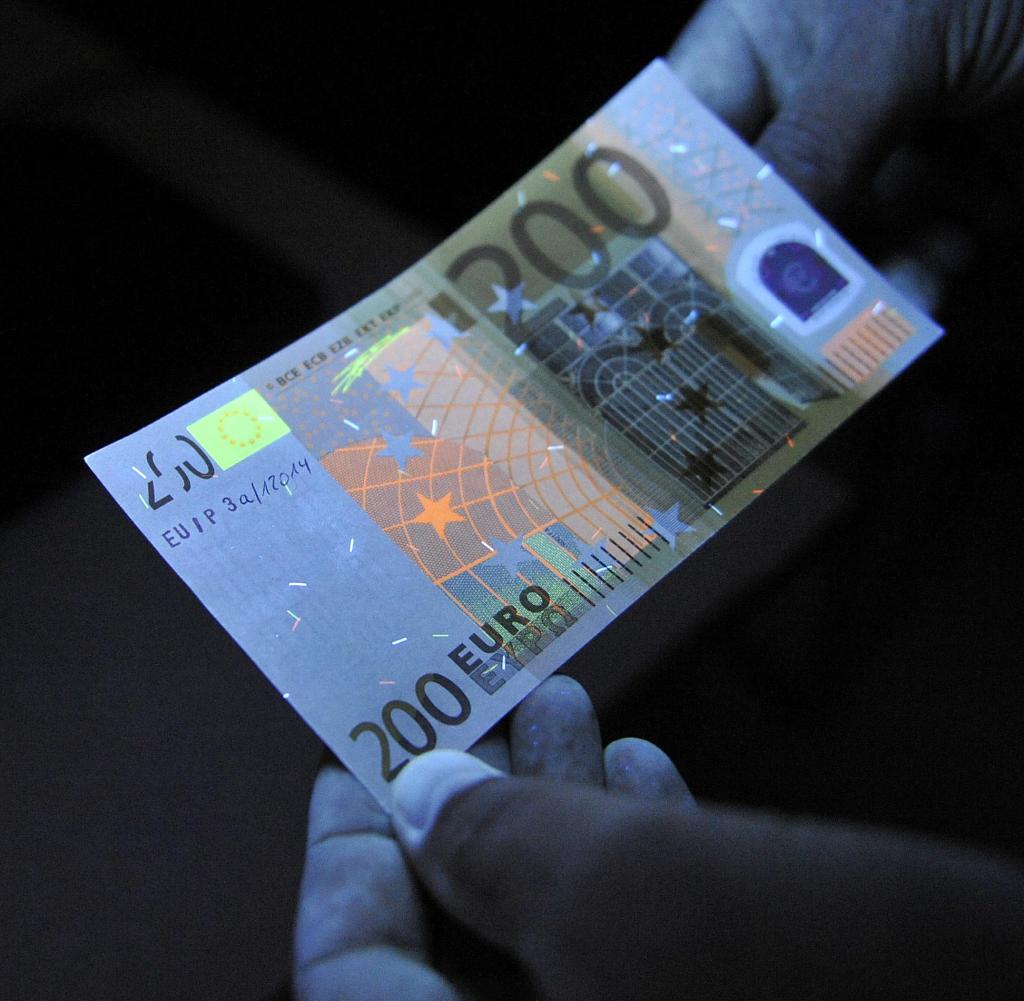
Developments in printing innovation imply that counterfeit notes can closely look like real currency. As a result, it is vital for people and businesses to be able to recognize top quality counterfeits.
List 3: Key Features to Identify Authentic Currency
- Watermarks: Genuine notes normally have watermarks that are noticeable when held up to light.
- Microprinting: Fine print that appears in particular areas is difficult to replicate precisely.
- Color-Shifting Ink: Some currencies use ink that alters color at various angles.
- Tactile Features: Many currencies have actually raised printing that can be felt when touched.
Table 4: Comparison of Features Between Real and Counterfeit Notes
| Function | Real Currency | Counterfeit Money |
|---|---|---|
| Watermarks | Clearly noticeable | Inadequately replicated |
| Microprinting | Legible under magnification | Blurred or missing out on |
| Color-Shifting Ink | Shifts colors at angles | Static color |
| Tactile Features | Significant texture | Flat and smooth |
The Conclusion
While the allure of premium counterfeit money might be tempting for some, particularly for those with harmful intent, the risks and legal implications far outweigh any viewed benefits. People and businesses alike need to stay alert versus both counterfeiters and fraudulent activities in a world where economic trust is paramount.
Often Asked Questions (FAQ)
Q1: Is it legal to own counterfeit money?
A1: No, owning counterfeit money is unlawful. Laws differ by nation, however possession is usually treated as a serious offense.
Q2: What should I do if I receive counterfeit money?
A2: Report it to your regional police or financial organization instantly.
Q3: Are there any genuine usages for counterfeit money?
A3: Counterfeit money might be utilized for instructional or artistic purposes, however even then, strict policies must be followed to prevent legal issues.
Q4: How can businesses secure themselves from counterfeit notes?
A4: Businesses can invest in counterfeit detection tools, train employees to recognize fake currency, and implement rigorous cash handling treatments.
In conclusion, the world of counterfeit money is a remarkable yet risky domain. As technology continues to develop, so do the difficulties of recognizing and combating counterfeiting. Awareness, prevention, and compliance with legal standards are vital for individuals and services alike.
