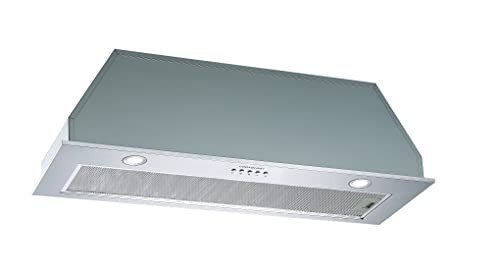
Modern Kitchen Extractor Fan
Add a review FollowOverview
-
Founded Date April 7, 2013
-
Sectors Restaurant / Food Services
-
Posted Jobs 0
-
Viewed 26

Company Description
What Is Cooker Hoods? History Of Cooker Hoods
The Ultimate Guide to Kitchen Cooker Hoods
When it concerns creating an efficient, comfortable, and stylish kitchen, one component that typically gets neglected is the cooker hood. An essential part in modern kitchens, cooker hoods play a crucial role in keeping air quality while boosting the functionality of the cooking area. In this extensive guide, we will check out the importance of Cooker Hood Extractor Chimney Hoods, their Types Of Cooker Hood, setup pointers, upkeep practices, and answers to often asked concerns.
What is a Kitchen Cooker Hood?
A kitchen cooker hood, likewise understood as a range hood or exhaust hood, is a kitchen appliance designed to ventilate smoke, heat, grease, and steam produced throughout cooking. Cooker hoods can either recirculate air back into the kitchen or vent it outside, depending upon the model and installation.
Tables below will provide a detailed contrast of the different types of cooker hoods, their features, and considerations when choosing the right one for your kitchen.
Kinds Of Cooker Hoods
| Type | Description | Pros | Cons |
|---|---|---|---|
| Wall-Mounted | Mounted on the wall above the stove and vented straight outdoors. | Effective ventilation; saves space. | Setup may be intricate; minimal positioning. |
| Island | Suspended from the ceiling over a kitchen island. | Visual appeal; provides great protection. | High setup expense; requires a ceiling hook. |
| Under-Cabinet | Set up beneath cabinets above a stove, ideal for limited area. | Compact; convenient for small kitchens. | May not be as powerful; air circulation can be limited. |
| Downdraft | Built into the countertop, increases when needed and withdraws when not in usage. | Smooth design; efficient for cooktops. | Normally less efficient; can be more pricey. |
| Portable | Light-weight, freestanding units that can easily be moved as required. | Versatile; can be utilized in various areas. | May not be as powerful; restricted by size. |
Key Features to Consider
- Extraction Method: Choose in between ducted (vented) and ductless (recirculating).
- Material: Stainless steel is long lasting and simple to clean; glass provides a modern aesthetic.
- Size: Ensure the hood is at least as wide as your cooktop to take full advantage of coverage.
- CFM Rating: The Cubic Feet per Minute (CFM) indicates the ventilation power; usually, 300-600 CFM is ideal for a lot of home kitchens.
- Sound Level: Measured in sones; quieter hoods typically operate at lower sone levels.
- Purification: Filters can be charcoal for ductless systems or metal for ducted systems; ease of cleansing is essential.
Value of Kitchen Cooker Hoods
Correct ventilation in a kitchen is vital for several factors:
- Improved Air Quality: Cooker hoods help eliminate harmful smoke, steam, and odors developed throughout cooking.
- Health Benefits: By getting rid of airborne grease and particulates, they minimize breathing risks and enhance overall indoor air quality.
- Preventing Damage: Excess moisture and heat from cooking can cause mold and damage to kitchen surface areas. Cooker hoods help alleviate these concerns.
- Improved Comfort: An efficient hood can significantly lower kitchen temperature levels, making cooking more pleasurable.
Setup Tips
Setting up a cooker hood is a vital action that needs mindful consideration of a number of elements:
- Location: Position the hood directly above the cooktop, maintaining a height of 24-36 inches.
- Source of power: Ensure there is an accessible electric outlet near the setup website for proper power supply.
- Ducting: Choose a straight and short duct course to make the most of efficiency; prevent excessive bends.
- Professional Installation: For more intricate layouts, working with an expert installer can make sure proper performance and safety.
- Follow Manufacturer’s Guidelines: Always refer to maker guidelines for specific setup requirements and recommendations.
Maintenance Tips
To optimize the longevity and effectiveness of your cooker hood, regular upkeep is important. Here are numerous upkeep ideas:
- Clean Regularly: Wipe down the outside with appropriate cleaners to keep surfaces clean.
- Change Filters: For ducted hoods, tidy or change metal filters every 3-6 months. For ductless hoods, guarantee charcoal filters are changed according to the producer’s regulations.
- Examine Ductwork: Inspect vents and ductwork for clogs or buildup of grease.
- Sound Keeping: If the hood starts making uncommon noises, it might indicate an issue with the motor or fan. Execute prompt repairs.
- Expert Servicing: Consider a yearly checkup by an expert to ensure optimal efficiency.
Often Asked Questions (FAQs)
1. How do I choose the best size of cooker hood for my kitchen?
To identify the right size, measure the width of your cooktop and choose a hood that is at least the very same width or larger.
2. Are ducted hoods much better than ductless?
Ducted hoods tend to be more effective at aerating air, while ductless hoods are versatile and much easier to set up.
3. How often should I clean the filters?
Metal filters need to be cleaned up every couple of months, while charcoal filters should be replaced as per the manufacturer’s recommendations.
4. What is the perfect CFM for my kitchen?
For a basic home kitchen, a CFM ranking between 300 to 600 is typically adequate. However, larger upgrades may need higher CFMs.
5. Can I set up a cooker hood myself?
While some designs allow for DIY installation, it is frequently advised to employ a professional for more complicated ducting and electrical work.
In conclusion, a kitchen cooker hood is more than simply a practical appliance; it is necessary for maintaining a safe and healthy cooking environment. By understanding the types, functions, installation, and maintenance of Cooker Hood Extractor Fan hoods, property owners can make informed choices leading to enhanced cooking experiences and kitchen aesthetics. With the ideal cooker hood, a kitchen can change into a space that combines design with efficiency, guaranteeing enjoyable cooking and entertaining for years to come.