


Soffit And Fascia Repair
Add a review FollowOverview
-
Founded Date February 14, 1976
-
Sectors Sales & Marketing
-
Posted Jobs 0
-
Viewed 2

Company Description
5 Killer Quora Answers On Soffit Installation
The Ultimate Guide to Soffit Installation
Soffits are an important part of a structure’s roof, serving both practical and aesthetic purposes. This short article functions as a thorough guide to soffit installation, covering everything from materials to installation techniques. By the end, readers will have a solid understanding of the process, requirements, and best practices for setting up soffits in residential and commercial settings.
What is Soffit?
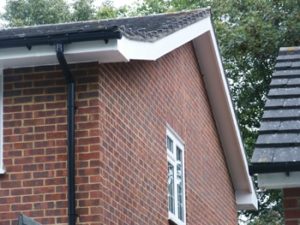
Soffit is a material utilized to cover the underside of a roof overhang or eave. It is typically installed between the fascia board and the outside wall of a structure, providing ventilation, insulation, and a finished appearance. Soffits are offered in different materials, consisting of wood, vinyl, aluminum, and fiber cement, each with its special advantages and disadvantages.
Significance of Soffit Installation
- Ventilation: Properly installed soffits facilitate airflow in the attic, which assists regulate temperature and prevent moisture buildup.
- Visual Appeal: Soffits contribute to the general appearance of a home, supplying a clean and finished look.
- Security: Soffits safeguard the rafters and other structural elements from weather condition aspects, such as rain and snow.
- Insect Prevention: A well-installed soffit can prevent pests from getting in the attic area.
Kinds Of Soffit Materials
When considering soffit installation, it’s important to choose the suitable product. The table listed below describes the most typical products used for soffits, along with their pros and cons.
| Product | Pros | Cons |
|---|---|---|
| Wood | Aesthetic appeal, flexible | Prone to rot and pests |
| Vinyl | Low maintenance, resistant to moisture | Limited color options |
| Aluminum | Durable, lightweight, rust-resistant | Can dent quickly |
| Fiber Cement | Fire-resistant, low maintenance | Much heavier, might need customized tools |
Picking the Right Material
The choice of soffit material often depends on factors such as budget plan, place, and personal choice. Property owners in damp environments may prefer vinyl or aluminum to combat wetness issues, while those in dry areas may choose wood for its aesthetic qualities.
Tools and Equipment Needed for Installation
Before starting the installation process, it’s vital to collect the necessary tools and equipment. Here’s a list of typical tools needed for soffit installation:
- Measuring tape
- Level
- Energy knife
- Ladder
- Hammer
- Nails or screws
- Saw (circular or miter)
- Caulk and caulk weapon
- Shatterproof glass
Steps to Install Soffit
Step 1: Measure and Cut
- Procedure the Area: Use determining tape to determine the length and width of the soffit area. Keep in mind any obstructions such as vents or lights.
- Cut the Soffit Panels: Timber Fascias (Notes.bmcs.one) Using an energy knife or saw, thoroughly cut the soffit panels to the determined measurements.
Step 2: Install the Furring Strips
Furring strips are thin strips of wood or metal that create a framework for attaching the soffit panels.
- Mark the Location: Use a level to mark the position for the furring strips along the edge of the eave.
- Connect the Strips: Secure the furring strips to the underside of the eave utilizing screws or nails.
Action 3: Install Soffit Panels
- Position the First Panel: Start at one end of the eave and move the first panel into the groove of the adjoining panel.
- Protect the Panel: Use screws or nails to secure the panel to the furring strips, ensuring they are evenly spaced.
- Continue Installation: Repeat this process for subsequent panels, guaranteeing that each one fits comfortably against the other.
Step 4: Finishing Touches
- Seal Gaps: Use caulk to seal any gaps between the soffit and the wall or fascia.
- Paint or Finish: If applicable, paint or finish the soffit panels to match the exterior of the home.
Maintenance Tips
- Regular Inspections: Conduct inspections a minimum of once a year to try to find signs of damage or pests.
- Tidy Debris: Remove leaves and debris from the soffit location to avoid moisture buildup.
- Check Vents: Ensure that any vents installed in the soffit are clear and working correctly.
FREQUENTLY ASKED QUESTION
1. How much does soffit installation cost?
The expense of soffit installation can differ extensively depending upon factors such as product choice, labor rates, and the size of the job. Usually, homeowners can expect to pay in between ₤ 1.50 to ₤ 6.50 per square foot.
2. Can I set up soffit myself?
Yes, Soffit Installation (https://fatrabbit76.werite.net/) can be a DIY project for those with fundamental woodworking skills. However, hiring a professional might be recommended for those who are not comfy with heights or absence experience.
3. How do I understand if I require to change my soffit?
Indications that might indicate a requirement for Eaves Replacement consist of noticeable damage (fractures or drooping), mold or mildew development, and insect invasions.
4. Are there any building regulations associated with soffit installation?
Yes, regional building codes often dictate particular requirements for soffit installation, specifically concerning ventilation. Constantly seek advice from regional policies before starting any installation task.
Soffit installation is a crucial aspect of home building and construction or restoration that must not be ignored. By comprehending the products readily available and following the correct installation methods, homeowners can substantially enhance the aesthetic appeals and functionality of their homes. Whether picking to take on the task themselves or employ a professional, correct Soffit Replacement installation will yield long-lasting benefits and increase the total worth of the home.
