


Fascia And Soffit Upgrades
Add a review FollowOverview
-
Founded Date August 31, 1932
-
Sectors Construction / Facilities
-
Posted Jobs 0
-
Viewed 57

Company Description
What Is Fascia And Soffit And Why Is Everyone Dissing It?
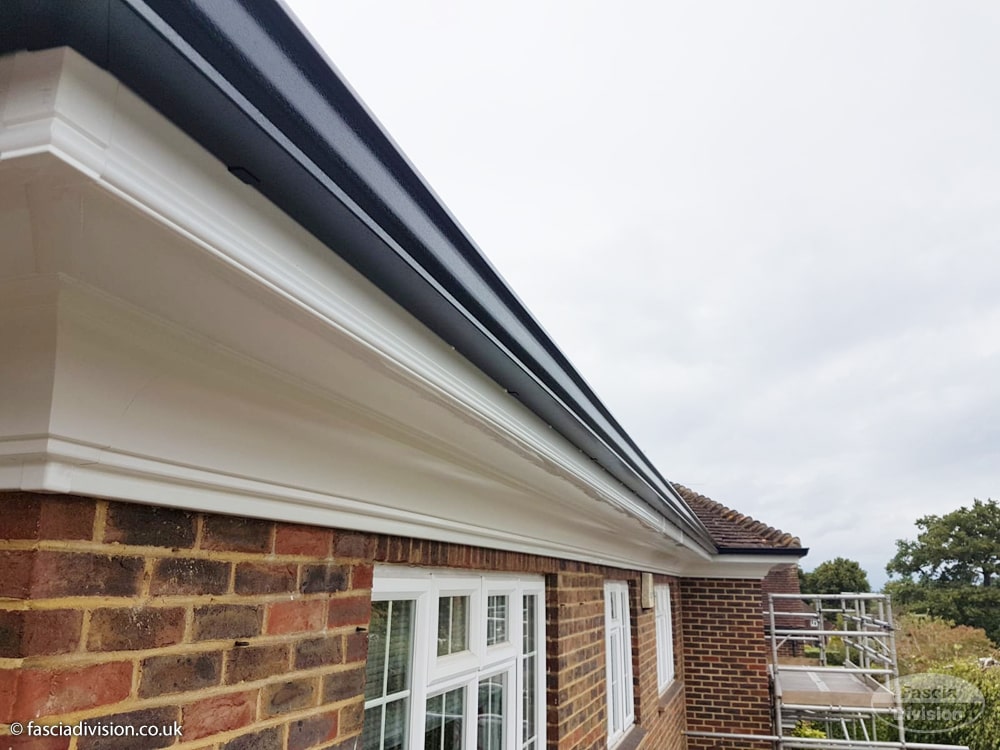
Fascia and Soffit Maintenance: A Comprehensive Guide
When it comes to home maintenance, the outside aspects typically steal the spotlight, while the fascia and soffit stay ignored. Nevertheless, these components are essential not only for the aesthetic appeal of your home but likewise for its structural stability. This blog site will explore the value of fascia and soffit, summary efficient maintenance practices, and offer responses to common questions.
Comprehending Fascia and Soffit
What Are Fascia and Soffit?
| Term | Description |
|---|---|
| Fascia Replacement | A horizontal band that runs along the roof’s edge, supporting the lower edge of the roofing and supplying an ended up appearance. It typically works as an installing board for gutters. |
| Soffit | The underside of the roofing overhang, which bridges the space between the fascia and the wall of your home. It can be aerated or non-ventilated and is vital for air flow in the attic. |
Value of Fascia and Soffit
- Defense: They secure your roof and attic from water damage and bugs.
- Ventilation: Properly ventilated soffits help maintain a balanced airflow, avoiding wetness buildup that can cause mold and structural damage.
- Suppress Appeal: Clean and well-maintained fascia and soffit enhance your home’s outside visual appeals.
Typical Materials Used
Fascia and soffit can be constructed from different products, consisting of:
| Material | Pros | Cons |
|---|---|---|
| Vinyl | Low maintenance, resistant to rot and Soffit And Fascia Replacement mildew | Can fade in sunshine, minimal color choices |
| Wood | Standard aesthetic, simple to paint | Prone to rot and insect damage |
| Aluminum | Resilient, rust-resistant | Can dent easily, restricted customization |
| Fiber Cement | Lasting, resistant to pests and rot | Much heavier, more pricey |
Indications of Damage
Being proactive is essential. Here are signs that show your fascia and soffit might need maintenance:
- Peeling Paint: Indicates moisture issues or the requirement for repainting.
- Drooping or Cracks: Could signal structural problems.
- Bug Infestations: Evidence of nesting or entry points indicates that repairs are necessary.
- Water Damage: Stains or staining recommend leakages or inadequate drainage.
Maintenance Tips for Fascia and Soffit
Routine Cleaning
- Frequency: Clean Fascia And Soffit Repair and soffit at least two times a year, ideally in the spring and fall.
- Tools Needed:
- Soft-bristle brush
- Garden pipe with a spray attachment
- Ladder (guarantee it’s steady and safe)
- Cleaning solution (mild cleaning agent blended with water)
Steps:
- Remove any debris like leaves and dirt.
- Use the brush to carefully scrub the surfaces.
- Rinse with water, guaranteeing all soap residue is eliminated.
Inspecting for Damage
- Inspect for signs of rot, insect damage, or wear throughout cleaning.
- Pay attention to any visible fractures or warping in the products.
- Examine seamless gutters and downspouts to guarantee they’re directing water far from the fascia and soffit.
Repair and Replacement
When to Repair
- Small fractures in wood can be filled with wood filler.
- If paint is peeling, scrape and repaint utilizing high-quality outside paint.
When to Replace
| Scenario | Action Required |
|---|---|
| Substantial water damage | Full replacement of affected areas |
| Considerable bug damage | Replace damaged areas with pest-resistant products |
| Cracked or deformed fascia or soffit | Replace with brand-new, durable materials |
Ventilation Maintenance
Proper ventilation is crucial for preventing moisture buildup in your attic. Guarantee the soffits are clear of obstructions:
- Clean any debris that can obstruct air flow.
- Ensure that vents are not covered or blocked.
FAQs About Fascia and Soffit Maintenance
-
How often should I examine the fascia and Expert Soffit Installation?
- It’s advised to check these locations a minimum of twice a year, especially after extreme weather.
-
Can I paint the fascia and soffit myself?
- Yes, painting is manageable for property owners. Just make sure appropriate surface preparation and usage exterior-grade paint.
-
What can I do if I discover insect damage?
- Deal with the afflicted area with suitable pesticides and repair or change any broken sections.
-
Is it essential to work with experts for maintenance?
- While minor cleansing and evaluation can be done by homeowners, significant repairs or replacements may need professional proficiency.
-
What kind of material is best for fascia and soffit replacement?
- It depends on your budget and aesthetic preference. Vinyl and fiber cement are popular for resilience, while wood provides a traditional appearance.
Fascia and soffit maintenance is necessary for the longevity of your home’s exterior. Routine cleaning, assessments, and prompt repairs can conserve house owners from costly remodellings down the line. By paying attention to these often-overlooked elements, you guarantee that your home stays not only stunning however also structurally sound. Whether handling small Eaves Maintenance tasks yourself or looking for professional aid, keeping your fascia and soffit in leading condition is undoubtedly a beneficial investment.
