


Power Tool Online Retailer
Add a review FollowOverview
-
Founded Date July 30, 1923
-
Sectors Education Training
-
Posted Jobs 0
-
Viewed 90

Company Description
15 Best Power Tools Bloggers You Should Follow
The Essential Guide to Power Tools: Unlocking Potential for DIY Projects
Power tools have reinvented the method both specialists and DIY lovers approach tasks varying from woodworking to metalworking and beyond. With a large variety of alternatives available on the market, it’s vital to comprehend the different types of power tools, their applications, and how to utilize them safely and successfully. This detailed guide will supply important insights into the world of power tools, helping you pick the right ones for your projects while making sure safety and performance.
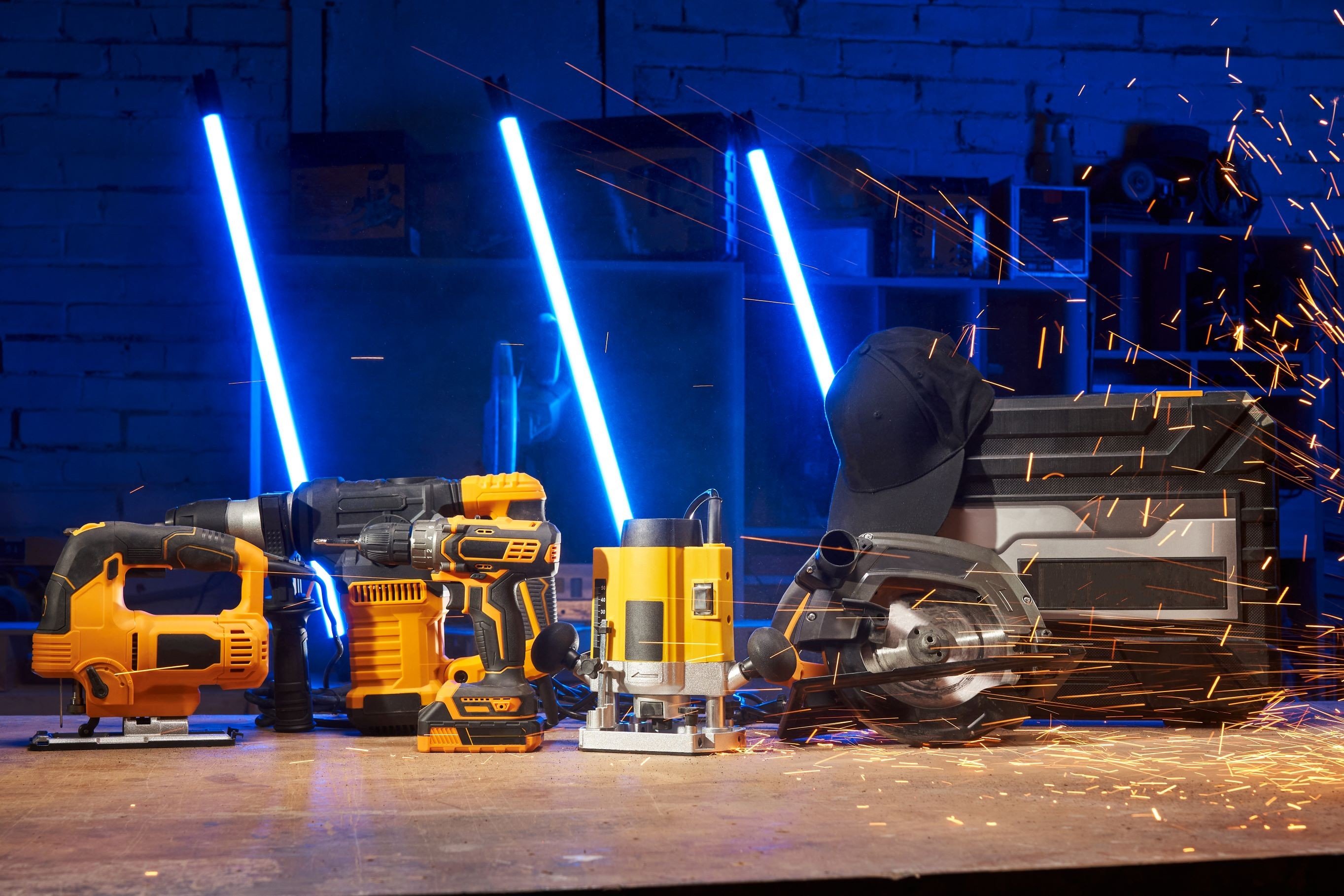
Kinds Of Power Tools
Power tools can be broadly categorized into two classifications: corded and cordless. Each classification has its advantages and downsides, making them ideal for different applications. Below is a breakdown of typical power tools you may consider.
Corded Power Tools
Corded tools are powered through an electrical outlet, using constant power without the need for battery management. Below are some common corded power tools:
-
Drills
- Application: Drilling holes and driving screws.
- Features: Typically have higher torque and constant power.
-
Saws
- Types: Circular saw, jigsaw, band saw.
- Application: Cutting wood, metal, and other materials.
- Features: Greater cutting power and precision.
-
Grinders
- Application: Grinding, honing, and polishing.
- Features: High RPM (transformations per minute) for efficient work.
-
Planers
- Application: Smoothing wood surfaces.
- Features: Adjustable depth for various densities.
Cordless Power Tools
Cordless tools run on rechargeable batteries, using benefit and mobility. Here are a number of key cordless tools:
-
Cordless Drills
- Application: Drilling and screwing without the trouble of cords.
- Features: Lightweight and simple to maneuver.
-
Reciprocating Saws
- Application: Demolition and cutting in tight areas.
- Features: Versatile blade options for numerous products.
-
Effect Drivers
- Application: Fastening screws and nuts, supplying high torque.
- Features: Compact and created for heavy-duty use.
-
Cordless Nailers
- Application: Driving nails quickly without manual effort.
- Features: Ideal for framing, roofing, and finishing tasks.
Security Tips for Using Power Tools
Using power tools comes with inherent threats. It is essential to follow safety practices to lessen the possibility of accidents. Here are some essential security suggestions:
-
Wear Personal Protective Equipment (PPE):
- Safety glasses to secure eyes.
- Hearing protection when essential.
- Gloves appropriate for the task at hand.
-
Check out the Manual:
Familiarize yourself with the tool’s functions, abilities, and restrictions. -
Inspect Tools Regularly:
Check for any indications of wear or damage before usage. -
Operate in a Clean Area:
Keep the office organized to avoid journey dangers. -
Use the Right Tool for the Job:
Ensure the tool is developed for your specific job to prevent misuse. -
Disconnect When Changing Accessories:
Always disconnect tools from power sources when changing bits or blades to avoid unintended activation.
Best Practices for Maintaining Your Power Tools
Appropriate maintenance prolongs the life of power tools, ensuring they perform efficiently when needed. Below are some Best Power Tools (www.Elkepersson.top) practices:
-
Clean After Each Use:
Remove dust, debris, and any other pollutants. -
Store Properly:
Keep tools in a dry, secure area, preferably with protective sheathing. -
Inspect and Replace Batteries:
Regularly check rechargeable batteries and replace them as needed. -
Sharpen Blades:
Keep cutting edges sharp for much better performance and security. -
Schedule Professional Servicing:
Occasionally get your tools serviced by an expert, specifically if they are utilized regularly.
Regularly Asked Questions (FAQs)
1. What are the main distinctions in between corded and cordless power tools?
Corded tools use constant power and are usually more potent, making them perfect for heavy-duty jobs. Cordless tools, conversely, offer higher mobility and convenience.
2. How do I choose the ideal power tool for my job?
Consider the kind of work, required power, and whether portability is necessary. Checking out reviews and getting recommendations can likewise help guarantee you choose the proper tool.
3. How frequently should I perform maintenance on my power tools?
It depends on usage frequency. For regularly utilized tools, a thorough cleaning and inspection after every usage is a good idea. Less often used tools can be examined and kept quarterly.
4. Are there battery types I should prefer for cordless tools?
Lithium-ion batteries are generally preferred for their lighter weight and longer life compared to nickel-cadmium batteries.
5. Is it safe to utilize power tools in wet conditions?
No, operating power tools in damp conditions poses considerable risks of electric shock. Always guarantee your office is dry.
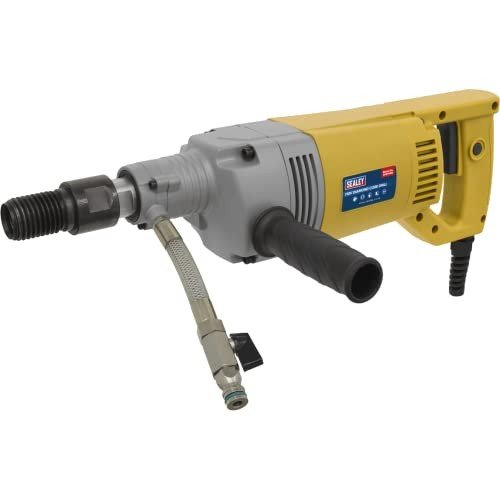
Power tools have actually become essential in different applications, from hobbyist woodworking to expert building. Understanding the types of tools readily available, adhering to safety procedures, and maintaining them appropriately guarantees that these tools can be used to their complete potential. As technology advances, power tools continue to evolve, making it essential for users to stay informed about the current innovations and best practices. When utilized properly, power tools can change any job into a work of art.
Table: Overview of Common Power Tools
| Tool Type | Application | Source of power | Key Features |
|---|---|---|---|
| Corded Drill | Drilling/Screwing | Corded | Continuous power, high torque |
| Circular Saw | Cutting | Corded | Accuracy cutting, various sizes |
| Cordless Drill | Drilling/Screwing | Cordless | Light-weight, portable |
| Reciprocating Saw | Demolition/Cutting | Cordless | Versatile for various products |
| Impact Driver | Fastening | Cordless | High torque, compact design |
| Grinder | Grinding/Sharpening | Corded | High RPM for effective work |
| Cordless Nailer | Driving Nails | Cordless | Quick securing, no handbook effort |
By empowering people with the understanding of picking and properly using power tools, this guide aims to enhance performance, safety, and total complete satisfaction in DIY and expert jobs alike.
