


French Door Repair Specialists
Add a review FollowOverview
-
Founded Date June 6, 1907
-
Sectors Construction / Facilities
-
Posted Jobs 0
-
Viewed 7

Company Description
French Door Repair Diy Tools To Improve Your Daily Lifethe One French Door Repair Diy Trick Every Individual Should Learn
French Door Repair DIY: A Comprehensive Guide
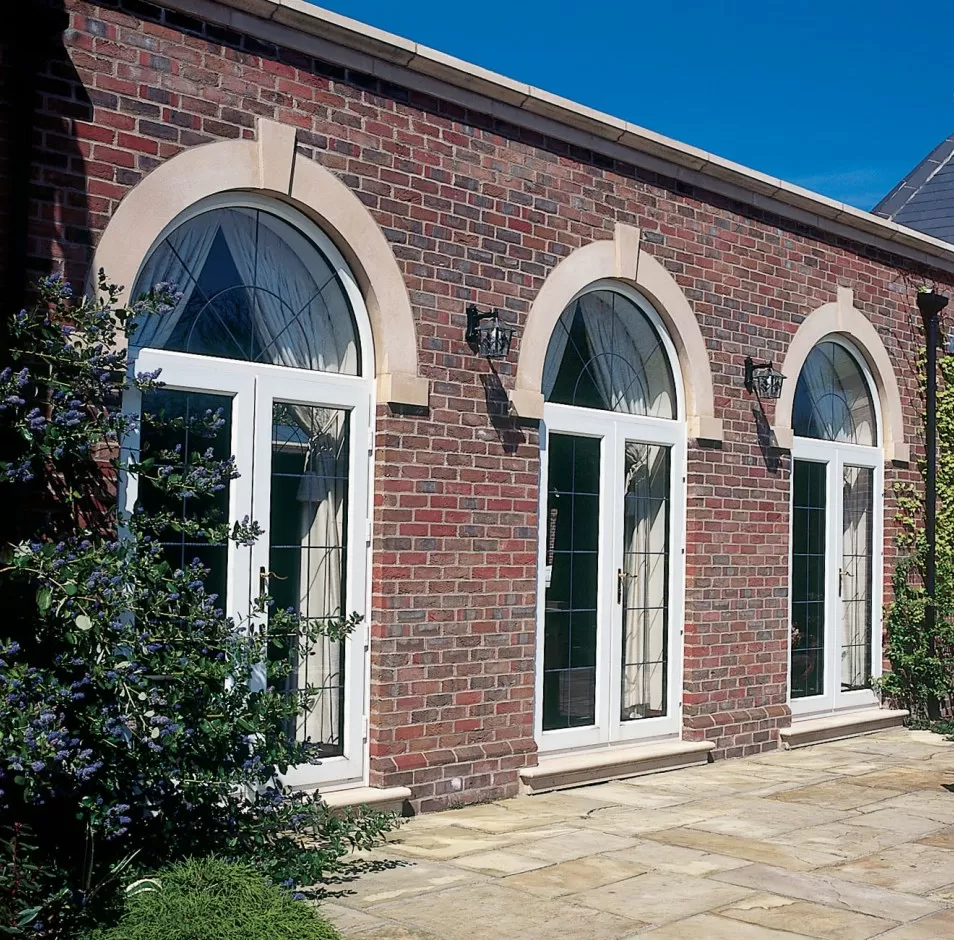
French doors are a lovely addition to any home, including beauty and supplying sufficient light and ventilation. However, like any other door, they can come across issues with time. Whether it’s a misalignment, breezy spaces, or damaged hardware, knowing how to repair French doors can conserve you time and money. This post will direct you through common French door problems, step-by-step repair procedures, and important tools and materials needed to successfully take on these issues as a DIY project.
Common Problems with French Doors
Before diving into the repairs, let’s determine some of the most common issues that French doors might face:
| Problem | Description |
|---|---|
| Misalignment | Doors not closing or opening properly, causing gaps. |
| Drafts | Air dripping through spaces, typically due to worn weather stripping. |
| Sticking or Binding | Doors that are tough to open due to inflamed wood or debris. |
| Broken Hardware | Harmed hinges, handles, or locks that affect performance. |
| Broken or Damaged Frames | Visual or structural issues that need immediate attention. |
Tools and Materials Needed
To efficiently repair French Door Carpenters doors, you’ll need a few important tools and materials. Below is a list for your DIY task.
| Tools | Products |
|---|---|
| Screwdriver (flat and Phillips) | Replacement Hardware (hinges, handles, locks) |
| Level | Weather Stripping |
| Hammer | Wood Glue |
| Chisel | Wood Filler |
| Determining Tape | Paint or Stain |
| Pliers | Sandpaper |
| Caulk Gun | Caulk |
Step-By-Step Repair Guide
1. Identifying Misalignment
Identify the Problem:
- Close the doors and look for spaces between the two doors or in between the door and frame.
Repair Steps:
- Use a level to figure out if the door is hanging directly.
- If the door is misaligned, inspect the hinges.
- Tighten any loose screws or adjust hinge positions as needed.
- If modifications do not work, think about transferring the hinges a little or shimming them with washers.
2. Fixing Drafts
Recognize the Problem:
- Feel for cold air originating from gaps when the door is closed.
Repair Steps:
- Inspect the weather removing around the door for wear or damage.
- Remove old weather stripping and thoroughly tidy the area.
- Step and cut brand-new weather condition stripping to fit the door edges.
- Press the new weather removing into location, making sure a snug fit.
3. Attending To Sticking or Binding
Determine the Problem:
- Doors that are hard to open or close due to exposure to the frame or particles.
Repair Steps:
- Identify locations where the door is binding by observing paint scuff marks.
- If the door is swollen, enable it to dry out, and then sand down the edges thoroughly.
- For particles, clear the track and guarantee that the bottom of the door is without blockages.
- If the door is consistently sticky, re-evaluate the alignment and make needed adjustments.
4. Changing Broken Hardware
Identify the Problem:
- Any malfunctioning elements, such as hinges, handles, or locks.
Repair Steps:
- Remove the damaged hardware utilizing a screwdriver or pliers.
- Take the old hardware to a hardware shop to find precise replacements.
- Install the new hardware by reversing the removal procedure; make sure all screws are tightened up properly.
5. Fixing Cracks or Damage
Determine the Problem:
- Visible cracks or chips in the door frame or body.
Repair Steps:
- Clean the damaged area with a wet cloth.
- For little cracks, use wood filler and let it dry based on the producer’s guidelines.
- Once dry, sand the location smooth.
- Repaint or stain for an ended up appearance that matches the existing door.
Tips for Maintenance
- Routinely check and tighten up screws on hinges and handles.
- Apply a fresh coat of paint or sealant every few years to prevent damage.
- Inspect weather condition removing and change it if it shows indications of wear.
- Guarantee the door tracks are clean and free from particles.
Often Asked Questions (FAQs)
1. How frequently should I maintain my French doors?It’s recommended to carry out maintenance checks a minimum of once a year, examining both hardware and weatherproofing.
2. What should I do if my French Door Repairs doors are still not closing after positioning modifications?If misalignment continues, think about seeking advice from a professional, as the door frame or structure might be jeopardized.
3. Can I change the whole door myself if it’s badly damaged?Yes, but for bigger replacements or if structural issues exist, it’s best to employ a professional to prevent additional issues.
4. Why is my Sliding French Door Repairs door swollen?Swelling can happen due to humidity or poor sealing/insulation. Ensure your doors are appropriately sealed to reduce moisture damage.
5. What type of weather stripping is best for French doors?Vinyl and foam weather condition stripping are popular choices due to their durability and insulation residential or commercial properties.
Repairing French Door Repair Parts doors can appear challenging, however with the right tools, products, and a little persistence, most common issues can be managed as a DIY project. By putting in the time to keep and repair your French Door Repair Diy doors, you ensure they stay a stunning and functional part of your home for several years to come. Whether it’s fixing a simple draft or replacing damaged hardware, these steps will help keep your doors in leading shape, enhancing both the look and efficiency of your living area.
