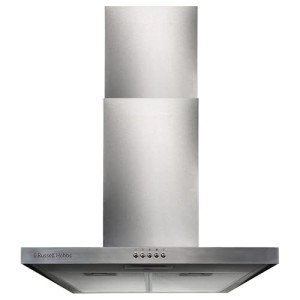
Small Cooker Hoods
Add a review FollowOverview
-
Founded Date September 10, 1925
-
Sectors Construction / Facilities
-
Posted Jobs 0
-
Viewed 22

Company Description
What’s The Current Job Market For Kitchen Extractor Hood Professionals Like?
The Essential Guide to Kitchen Extractor Hoods: Choosing, Installing, and Maintaining
In modern kitchens, extractor hoods are important for both functionality and aesthetics. They not just boost the general design of the space however likewise play an important function in preserving a healthy cooking environment. This article intends to offer thorough info about kitchen extractor hoods, including types, benefits, setup ideas, upkeep, and answers to regularly asked concerns.
What is a Kitchen Extractor Hood?
A kitchen extractor hood, also called a range hood or vent hood, is a device installed above cooking surfaces that captures air-borne grease, vapors, smoke, heat, and odors. By effectively removing these elements from the air, extractor hoods assist improve indoor air quality and reduce the risk of fire dangers.
Types of Kitchen Extractor Hoods
When choosing an extractor hood, property owners usually have four main types to consider:
| Type | Description | Pros | Cons |
|---|---|---|---|
| Wall-Mounted | Installed on the wall above the cooking surface area. | Sophisticated style, space-saving choices, reliable suction. | Requires adequate wall space; setup might be difficult. |
| Island | Suspended from the ceiling above an island or peninsula Kitchen Extractor Fans. | Supplies a dramatic focal point, suitable for open kitchens. | Can be pricey, requires careful preparation for ductwork. |
| Under-Cabinet | Fits beneath kitchen cabinets straight above the stovetop. | Discreet, space-efficient, and easy to set up. | May have less suction power than other types. |
| Downdraft | Integrated into the countertop and increases when required. | Inconspicuous, perfect for modern styles. | Normally more costly; less efficient for bigger cooking surface areas. |
Advantages of Installing a Kitchen Extractor Hood
Purchasing a kitchen extractor hood features a myriad of benefits:
- Air Quality Improvement: Eliminating smoke, grease, and odors maintains a clean and healthy environment.
- Comfort: Reduces humidity and heat in the kitchen, making cooking a more satisfying experience.
- Fire Safety: Proper ventilation helps minimize the risk of fire caused by grease accumulation.
- Home appliance Longevity: Reduces the accumulation of dirt and grease on kitchen appliances and surface areas, extending their life.
- Enhancing Kitchen Aesthetics: Many modern hoods can be found in trendy designs that can serve as ornamental elements in the Kitchen Extractor Fan.
Selecting the Right Extractor Hood
When selecting the suitable extractor hood, consider the list below aspects:
1. Size
The width of the hood need to a minimum of match the width of your cooking surface. For optimal performance, think about a hood that extends 3 inches larger on either side if area enables.
2. Suction Power (CFM)
CFM, or cubic feet per minute, shows the air flow ability of the hood. A greater CFM is preferable for gas ranges and larger cooking surfaces.
| Cooking Surface Type | Advised CFM |
|---|---|
| Electric Range | 200-400 CFM |
| Gas Range | 300-600 CFM |
| Heavy Cooking (stir fry, deep frying) | 600+ CFM |
3. Ducted vs. Ductless
- Ducted: Ventilate air outside; more reliable at removing heat and smells.
- Ductless: Circulates air back into the kitchen with filters; much easier to set up, however less efficient.
4. Sound Level
Inspect the sound level ratings, generally measured in sones. A quieter unit can enhance your cooking experience.
5. Style and Finish
Pick a style that matches your kitchen design. Choices include stainless-steel, glass, and customized kitchen cabinetry designs.
Setup Tips for Kitchen Extractor Hoods
When setting up kitchen extractor hoods, it’s vital to consider a number of bottom lines to ensure optimal performance and safety.
- Height: For a lot of range hoods, the setup height ought to be between 24 and 36 inches above cooking surface areas.
- Electrical Work: Ensure that all electrical connections are up to code. Consider hiring a licensed electrical contractor if not sure.
- Ductwork: If you opt for ducted hoods, quality ductwork is vital for maximum efficiency. Prevent sharp bends that can hinder airflow.
- Expert Help: If you’re inexperienced with DIY projects, consider hiring professionals for installation to avoid destructive your kitchen or new hood.
Maintenance of Kitchen Extractor Hoods
Routine maintenance is vital for keeping an extractor hood functioning successfully. Here are some ideas:
- Clean Filters: Depending on use, wash grease filters every 1-3 months. A dishwashing machine may be used for metal filters; paper filters should be replaced.
- Clean Down Surfaces: Clean the exterior of the Hood Cooker regularly with warm soapy water to preserve its appearance and functionality.
- Examine Ductwork for Blockages: Periodically check ductwork for any blockages or signs of grease buildup.
Regularly Asked Questions (FAQs)
1. How often should I use my extractor hood when cooking?
It’s recommended to switch on the extractor hood when you begin cooking, so it can capture smoke and odors from the very start. Keep it on for a number of minutes after cooking to clean out residual odors.
2. Can I install an extractor hood myself?
While some people can DIY installations, it’s typically best to employ an expert. Appropriate installation is essential for efficiency and security.
3. What happens if I do not have an extractor hood?
Cooking without proper ventilation can result in poor air quality, increased humidity, and a greater risk of fire dangers due to grease accumulation.
4. The length of time should I leave my hood on after cooking?
Keeping the hood on for 5-10 minutes after cooking is normally enough to aerate the kitchen successfully.
5. Are there energy-efficient choices readily available?
Yes, numerous modern extractor Small Cooker Hoods integrate energy-efficient motors and LED lighting, substantially decreasing energy consumption while maintaining efficiency.
Picking, setting up, and maintaining a kitchen extractor hood is necessary for a safe and pleasant cooking experience. With different alternatives to match various kitchen designs and designs, there’s an ideal extractor hood for every home. Remember to consider key elements such as size, suction power, and upkeep requirements before making your purchase. A well-chosen and kept extractor hood will not just enhance your cooking environment but likewise boost the general aesthetic of your kitchen.