


Cooker Extractor Fans
Add a review FollowOverview
-
Founded Date October 27, 1946
-
Sectors Telecommunications
-
Posted Jobs 0
-
Viewed 14

Company Description
5 Laws That Can Help The Cooker Hood Industry
Understanding Kitchen Cooker Hoods: A Comprehensive Guide
In the heart of every home, the kitchen stands as an essential hub where meals are prepared, tastes are checked out, and memories are developed. However, cooking can also feature its drawbacks, such as smoke, steam, grease, and odors that linger long after the meal is made. Get in the kitchen cooker hood, a home appliance that plays an important role in preserving a clean and enjoyable kitchen environment. This post will explore the different kinds of cooker hoods, their benefits, essential functions to consider, and common questions surrounding their usage.
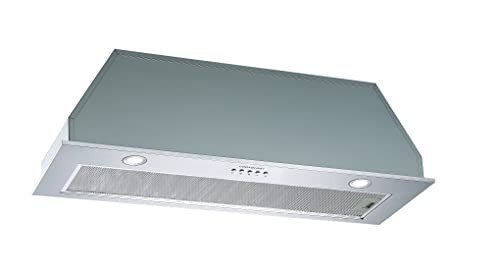
What is a Kitchen Cooker Hood?
A kitchen cooker hood, likewise referred to as an exhaust hood or range hood, is a gadget set up above the cooking surface. Its primary purpose is to filter and vent toxins, such as smoke and smells, away from the kitchen. Cooker hoods can make use of various approaches to accomplish this job, consisting of ducted and ductless systems.
Types of Cooker Hoods
To much better comprehend the alternatives available, here’s a comparative overview of the various kinds of cooker hoods:
| Type | Description | Pros | Cons |
|---|---|---|---|
| Wall-Mounted | Attached to the wall above the cooking location | Space-saving, stylish designs | Minimal reach for larger cooking areas |
| Under-Cabinet | Installed under kitchen cabinets | Maintains cabinet visual appeal | Might be less effective than bigger designs |
| Island | Suspended above a kitchen island | Perfect for open-concept spaces | Requires ceiling setup |
| Downdraft | Withdraws into the countertop when not in usage | Streamlined design, conserves overhead space | Generally less powerful |
| Professional | High-performance systems for major cooks | Superior ventilation and capability | More pricey, needs more upkeep |
Advantages of Using a Cooker Hood
Setting up a cooker hood in your kitchen uses various benefits:
-
Improved Air Quality: Cooker hoods efficiently eliminate airborne grease, smoke, and smells, ensuring that the air stays fresh while cooking.
-
Prevention of Mold and Mildew: By reducing humidity levels produced during cooking, hoods assist avoid the development of mold and mildew.
-
Enhanced Kitchen Aesthetics: With numerous designs offered, cooker hoods can include a touch of modernity and sophistication to any kitchen design.
-
Decreased Buildup of Grease: Regular operation of a cooker hood prevents grease from building up on kitchen surface areas, making clean-up easier.
-
Increased Kitchen Safety: By getting rid of smoke and possibly harmful fumes, cooker hoods enhance total safety while cooking.
Secret Features to Consider
When choosing a cooker hood for your kitchen, consider the following features:
-
Suction Power (CFM): The power of a hood is determined in cubic feet per minute (CFM). A greater CFM ranking indicates an ability to get rid of smoke and smells quickly. For a lot of kitchens, a series of 300-600 CFM appropriates.
-
Noise Level (Sonnes): Some hoods operate louder than others. A system with lower sones will provide quieter functionality. Look for hoods that run below 60 sones for a quieter cooking experience.
-
Filtration Type:
- Ducted: Vents contaminated air exterior, requiring ductwork setup.
- Ductless: Cleans the air with filters and recirculates it back into the kitchen, perfect for apartments.
-
Style and Size: Consider the area offered and the design of the kitchen. The hood needs to align aesthetically with other kitchen appliances and fit comfortably above the cooktop.
-
Reduce of Cleaning: Filters need to be cleaned or changed routinely; easy-access models make this job less troublesome.
-
Lighting: Many cooker hoods are equipped with built-in lights to light up the cooking surface area. Great lighting improves exposure while preparing meals.
Frequently Asked Questions (FAQ)
1. How do I determine the ideal size of a cooker hood for my kitchen?
To determine the ideal size, the hood must ideally be as wide as or wider than the cooking surface area. Additionally, think about the height and area offered, guaranteeing it is set up high enough above the stove for safety and proper efficiency.
2. How typically should I clean up or change the filters?
It is recommended to tidy metal filters every month and replace them every couple of months, depending upon use. Charcoal filters in ductless designs may need replacement every 3-6 months.
3. Can I utilize my cooker hood without ductwork?
Yes, ductless cooker hoods work without substantial ductwork. They filter the air before sending it back into the kitchen. However, ducted choices are generally more reliable for aerating the kitchen.
4. Are all cooker hoods loud?
Not all cooker hoods are loud. The sound levels vary by model, with some being more effective and quieter than others. Constantly examine the sones ranking to discover a quieter option.
5. Is it required to have a cooker hood?
While not necessary, a cooker hood is extremely suggested for lowering indoor air contaminants, boosting ventilation, and preserving a cleaner kitchen environment.
Cooking is an art form that should have the best environment. A kitchen cooker hood is not simply an appliance; it is an essential tool for promoting safety, tidiness, and convenience while cooking. By absorbing undesirable smells, wetness, and air-borne particles, a cooker hood produces a delightful atmosphere where culinary experiences can grow. When choosing the ideal cooker hood, consider your kitchen’s layout, your cooking practices, and the variety of features readily available to find the best match. By investing in a quality cooker hood, homeowners can elevate their cooking experience while guaranteeing a cleaner and more secure kitchen.
